Thinking about buying in Cave Creek but not sure how to read this unique market? You are not alone. Between horse properties, custom homes, and smaller subdivisions, the numbers can feel confusing. In this guide, you will learn which trends matter, how micro-markets behave, and what due diligence protects you in Cave Creek. Let’s dive in.
Market signals to watch
Not all metrics carry the same weight. Focus on a short list and track it consistently.
- Inventory and months of supply: Low supply favors sellers, while higher supply gives buyers more leverage.
- New listings vs. closed sales: More new listings can ease competition. More closings than new listings signals tightening supply.
- Prices and price per square foot: Watch the direction and speed of change, not just the number.
- Days on market and sale-to-list ratio: Short DOM and sales above list mean strong competition; rising DOM and lower ratios suggest cooling.
- Pendings vs. actives: A growing pending backlog shows demand momentum.
- Absorption and offer activity: Track offer counts, escalation use, and contingency trends to plan your strategy.
Check weekly for active, new, and pending counts in your price band. Review monthly for median prices, DOM, and months of inventory. Consider quarterly updates on rates, employment, and migration.
Cave Creek’s micro-markets
Cave Creek’s mix of properties means the “average” can hide real opportunities. Compare by property type, price band, and neighborhood.
By property type
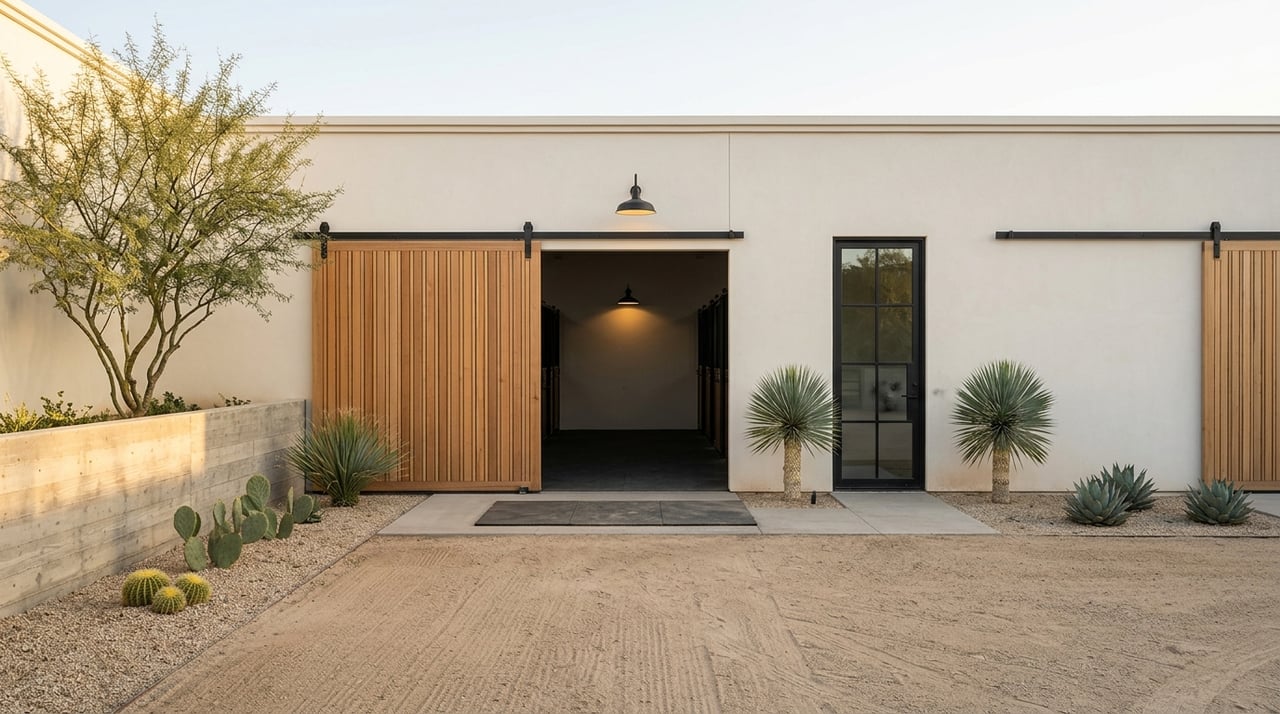
- Acreage and horse properties: These often sell faster in low-inventory windows because supply is limited. Expect more variation in pricing based on utilities, access, and improvements.
- Custom and luxury homes: Unique designs and lots make comparisons tricky. Appraisals can be conservative when comps are sparse.
- Subdivision single-family: Smaller lots with more comparable sales. HOAs and municipal utilities are more common.
- Condos and townhomes: Less common, so review HOA budgets, reserves, and CC&Rs closely.
By price band
Entry-level and mid-range homes can see faster shifts when rates change, while luxury segments may move on lifestyle and cash demand. Always assess months of supply within your exact price range.
By location
The town core offers shops and dining with different utility profiles from rural outskirts. Scenic and view lots often carry premiums and more restrictive build envelopes.
Seasonal patterns
Expect slower activity during the hottest months and more showings in cooler seasons. Interest rate moves or job trends can shift this rhythm, so pair seasonal expectations with live data.
Water, septic, access, and risk checks
Many Cave Creek homes rely on private systems and rural-style access. Build these checks into your offer and inspection timeline.
- Water: Order well reports, a pump yield test, and water-quality testing. Confirm any shared-well agreements in writing.
- Septic: Schedule a full septic inspection, including tank condition and drain field performance.
- Utilities: Verify what is available versus what you must maintain or haul.
- Roads and easements: Confirm legal access, recorded easements, and any private road maintenance agreements.
- Flood and washes: Review flood maps and ask about historical wash activity on or near the parcel.
- Wildfire: Evaluate vegetation, defensible space, and local fire district guidance. Insurance costs can be affected by risk and mitigation.
- Protected lands and hillside: Check for conservation overlays, protected habitat, archaeological sensitivity, or hillside limits that affect use.
- Zoning and permits: Confirm zoning, permitted uses, and any active or proposed developments that might impact traffic, noise, or utilities.
- Title and rights: Obtain a professional title report. For acreage, verify any water, mineral, air, or open-space easements that may be recorded.
Financing and appraisal nuances
Financing can differ for rural or acreage properties, so align your lender and timeline early.
- Underwriting: Acreage and certain property types can have different loan-to-value limits or eligibility rules. Confirm FHA or VA fit if needed.
- Appraisals: Unique or custom homes may appraise below contract when comps are limited. Prepare for possible gaps with a larger down payment or bridge funds.
- New construction or land: Expect different escrow structures and construction lender requirements.
A strong pre-approval and a lender comfortable with Cave Creek property types help you negotiate with confidence.
Offers and negotiation in low inventory
When the right property appears, you want to move fast without giving up critical protections.
- Tailor terms: For niche homes like horse properties or view lots, consider stronger pricing or escalation while keeping essential inspections.
- Timeframes: Shorten noncritical timelines to signal seriousness, but do not waive well, septic, or key system inspections.
- Proof of readiness: Include a fresh pre-approval or proof of funds and be flexible on closing dates.
- Rural addenda: Use addenda for wells, shared wells, access maintenance, and system inspections so expectations are clear.
Sellers often value clean terms and reliable timelines as much as price, especially when specialized systems are involved.
Commute, lifestyle, and development drivers
Understanding lifestyle and future plans can influence your long-term value.
- Town core vs. outskirts: The small town center offers dining and arts, while rural parcels provide privacy and space for animals.
- Proximity to job hubs: Many buyers choose Cave Creek for its lifestyle while commuting to North Scottsdale, Phoenix, or Scottsdale.
- Outdoor amenities: Access to Sonoran Desert preserves, trails, and equine facilities is a key draw.
- Healthcare access: Consider proximity to hospitals and urgent care in the metro area.
- Development watch: Track planned road projects, water or sewer extensions, and proposed subdivisions. Utility upgrades or broadband expansions can increase appeal and usability.
Documents to gather during diligence
A thorough file sets you up for a smooth closing and fewer surprises.
- Title commitment and exceptions
- Recent survey or recorded plat
- Seller disclosures and HOA documents
- Well log, certificate, inspection, and water-quality results
- Septic inspection or maintenance records
- Permit history for additions and outbuildings
- Utility bills, if applicable, and property tax records
Arizona title, escrow, and closing specifics
Use a licensed Arizona title and escrow company to coordinate closing, title insurance, and recording. Confirm property tax proration and any special assessments or local improvement districts that could affect your future taxes. Clarify timelines for inspections, appraisal, and loan approval early so your contingency dates align with the property type and lender needs.
Your Cave Creek buyer checklist
Use this as your action plan before writing offers.
- Get lender pre-approval or proof of funds.
- Ask for comps by property type and adjust for acreage, views, and building quality.
- Track weekly active, new, and pending counts in your micro-market.
- Order specialized inspections: well pump test, water quality, septic, pest, structural/site, and any solar or generator servicing.
- Confirm legal access, road maintenance terms, and recorded easements via survey and title.
- Verify utility availability and responsibilities for water, sewer, trash, and private roads.
- Check zoning and any planned infrastructure or development with the Town or County.
The bottom line for buyers
Cave Creek is a segmented market, and that is good news for informed buyers. If you watch the right signals, verify property systems, and tailor terms to the home type, you can compete where inventory is tight and still protect your investment. A ready file, smart contingencies, and local expertise make the difference.
If you want calm, data-guided support and a white-glove process from search to close, connect with Peggy Sala for a no-pressure consultation.
FAQs
How fast are homes selling in Cave Creek?
- Speed varies by submarket and property type; check current DOM and pending ratios in your exact price band and area.
What should buyers know about wells and septic?
- Many properties use private systems, so always order a well test, water-quality check, and full septic inspection during diligence.
How do appraisals work for custom homes?
- Unique builds can appraise below contract when comps are limited; plan for possible gaps with a larger down payment or backup funds.
Are new developments planned near Cave Creek?
- Development is more limited than big metro areas, so review local planning documents for any proposed subdivisions or infrastructure.
Does wildfire or flood risk change what I buy?
- Higher risk can affect insurance and maintenance; evaluate defensible space, drainage, and flood maps, and budget for mitigation.