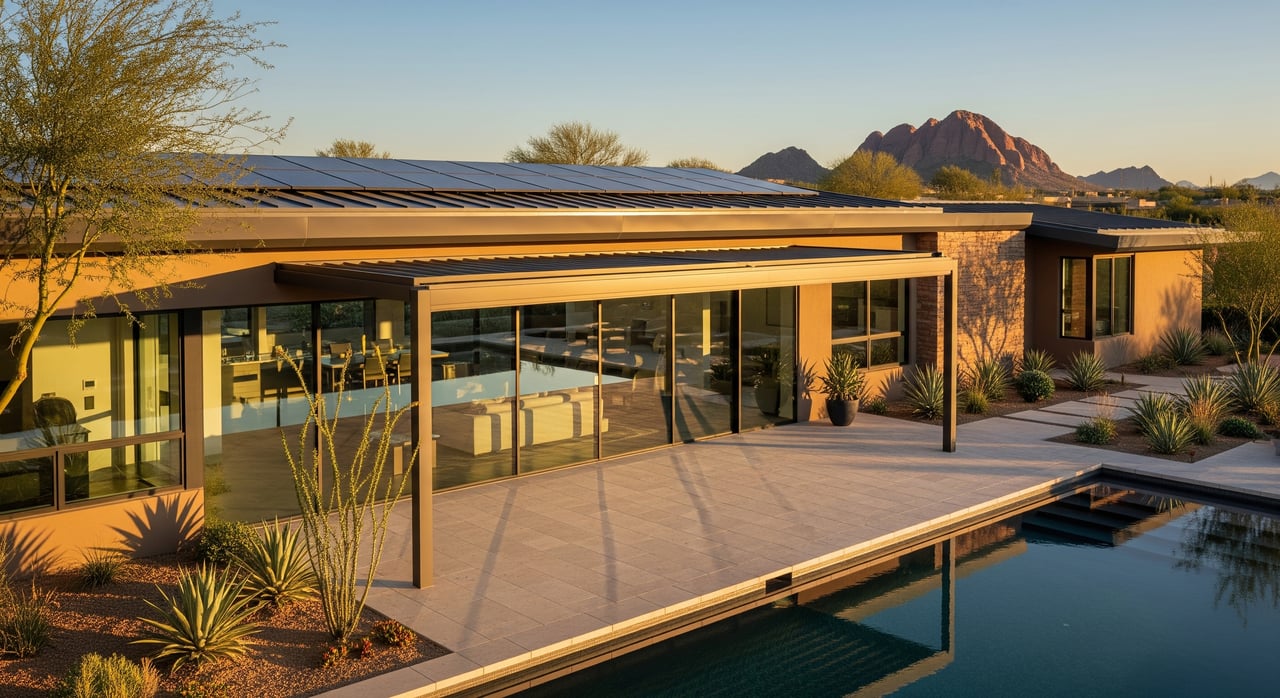
North Scottsdale Heat Management Strategies for Your Home
October 23, 2025
October 23, 2025
Triple-digit summer days are normal in North Scottsdale. The question is how to keep your home comfortable without sky-high energy bills. Whether you are preparing a listing, improving a new purchase, or planning a long-term upgrade, the right mix of solar, shade, and window choices can make a real difference. Below, you will find practical, locally relevant steps that work in our desert climate, plus what to know about incentives, utility rules, and permits. Let’s dive in.
North Scottsdale sits in a hot-desert climate with long, intense summers. Local health agencies highlight shade and cooling as top priorities during extreme heat events, which are common in Phoenix and Paradise Valley Village. You can see that emphasis in the state’s heat guidance and resources for residents from the Arizona Department of Health Services. The upside of all that sun is strong solar potential, which makes rooftop systems productive when you size and operate them wisely.
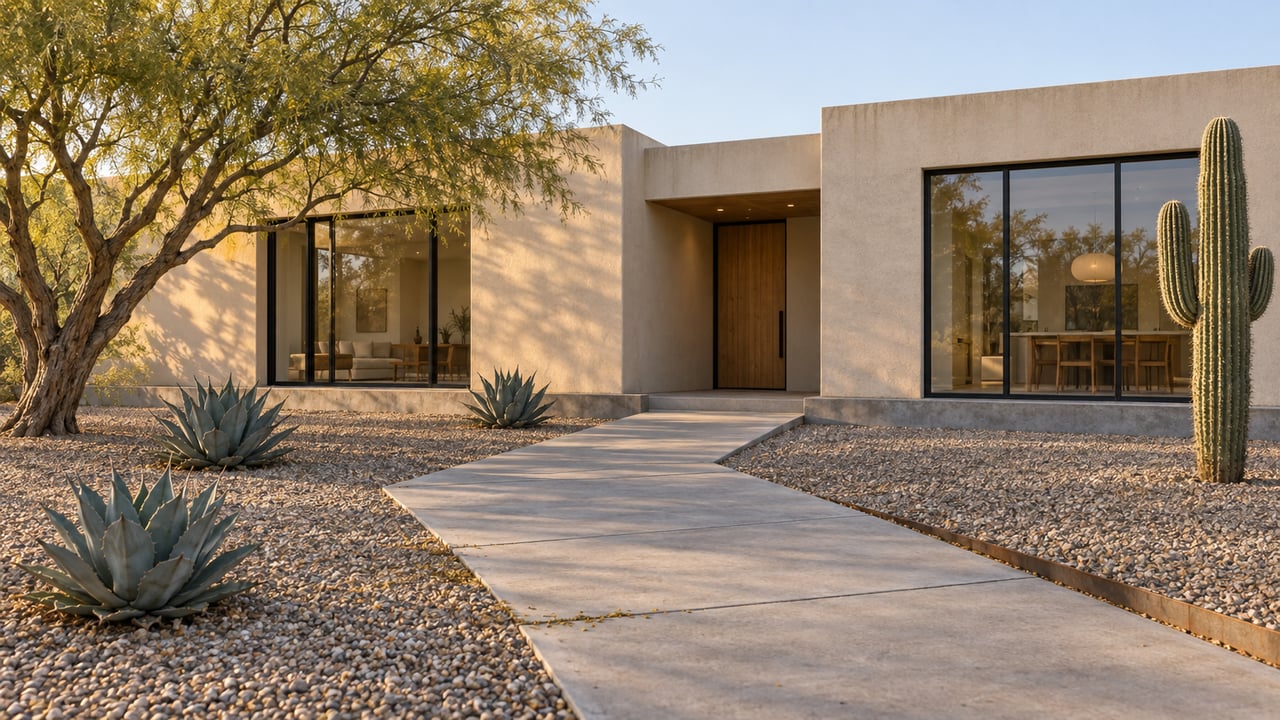
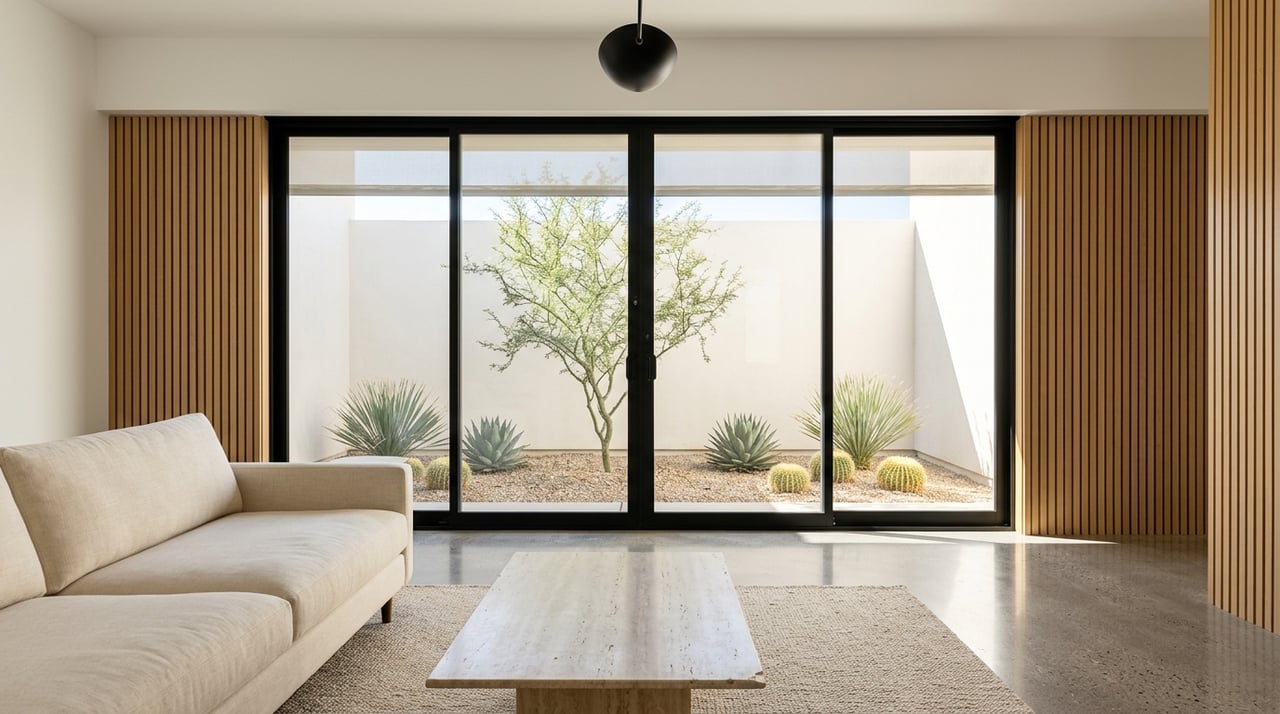
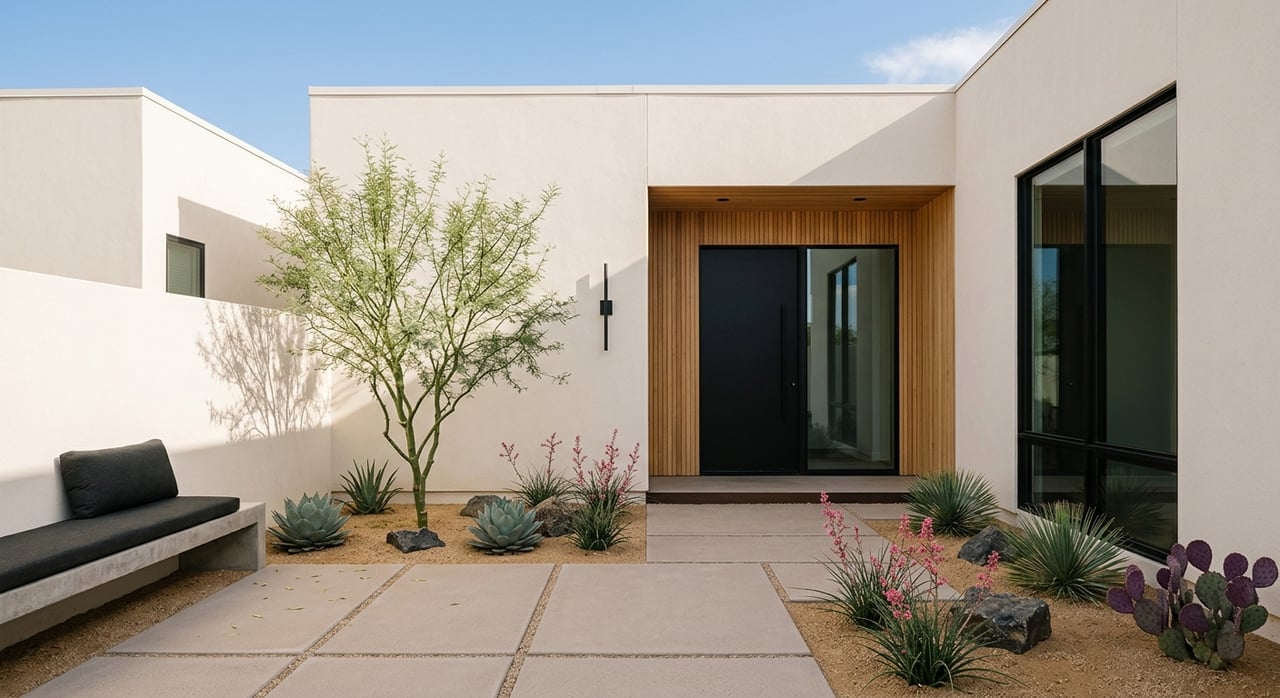
Thoughtful tree placement can cut heat gain on walls and windows and make outdoor spaces far more usable. Focus on the west and southwest sides to block low-angle afternoon sun. Desert-adapted options like palo verde, native or thornless mesquite, desert willow, and willow acacia can grow quickly when planted and watered correctly. For safe roots and healthy growth, follow distance and care tips from the state’s forestry team at the Arizona Department of Forestry and Fire Management.
You can also tap local programs. SRP’s popular Shade Tree Program offers free trees with guidance on placement, typically 15 to 20 feet from walls on the south, west, or east sides. It is a simple way to add comfort and reduce cooling load over time.
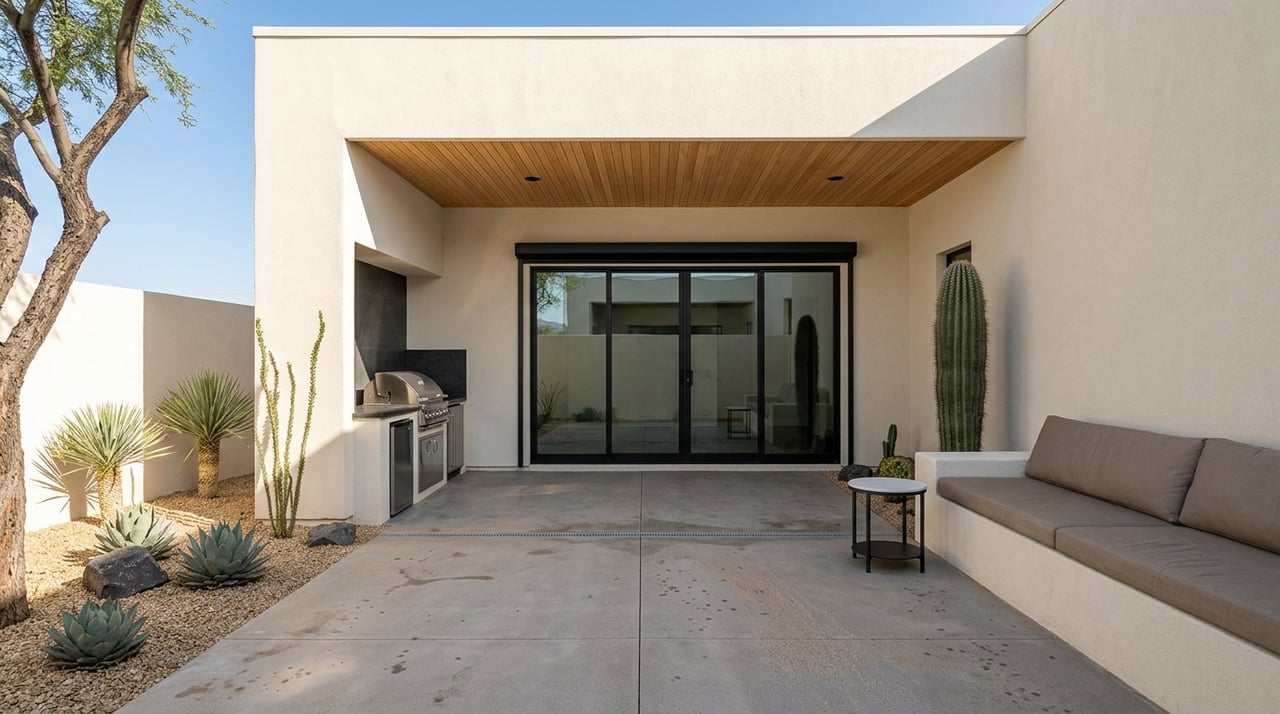
Exterior shading stops solar heat before it hits the glass, which is more effective than indoor curtains alone. Awnings, fixed overhangs, pergolas, patio covers, vertical fins, and exterior solar screens all help, especially on east and west windows. For a deeper dive on why outside shade works best, see the Building America guide on shading and solar-control windows. If you add a patio cover or other permanent structure, check local permit requirements before you build.
Two numbers matter most for our sun-drenched setting. SHGC (Solar Heat Gain Coefficient) measures how much solar heat passes through a window. Lower SHGCs are best on west and east windows. U-factor measures insulation value, and lower is better. In hot climates, you usually want a low SHGC with a reasonable U-factor. The Building America guidance on solar-control glazing and the NFRC label on each window can help you compare products.
If full window replacement is not in the plan, you still have solid options. Exterior solar screens, reflective window films, and well-fitted cellular shades can noticeably cut heat gain. Exterior devices perform best because they block sunlight before it heats the glass. You can also use timers or sensors to automate shades for peak sun hours. For product comparison tools and performance basics, visit the Lawrence Berkeley National Lab’s windows and attachments resources.
Federal policy shifted in 2025. Under new legislation, the residential clean energy credit (Section 25D) is scheduled to end for property placed in service after December 31, 2025. If you plan to install in 2025, you may still qualify under the current rules. Review the Department of Energy’s update on what changed with the solar credit at Energy.gov and confirm details with a tax professional. Arizona also offers benefits that help reduce cost, including a property tax exemption on added solar value, a state personal tax credit historically capped at $1,000, and sales tax exemptions on qualifying equipment. These state items are smaller than the former federal credit but still helpful.
Arizona uses net billing rather than full retail net metering. That means energy you export to the grid earns a lower, utility-set credit rather than the full retail rate. APS uses a Resource Comparison Proxy to set export credits and offers time-of-use plans that influence savings. The utility’s consumer page explains how credits, rates, and plan choices work for homeowners considering solar. Review current details on APS’s Understanding Solar page. In practical terms, you will often size a system for daytime self-use and consider storage if your evening rates are higher.
Batteries can shift excess daytime solar to evening peaks when time-of-use rates are higher. They add cost, but they also increase self-consumption and resilience. The DOE’s summary of recent solar credit changes also notes how batteries fit into federal policy, so check current guidance at Energy.gov and run the numbers with your installer.
Maricopa County and Scottsdale require permits for roof and ground-mounted PV. Plan for permit fees, inspections, and HOA notifications where applicable. Start with the county’s Residential Construction portal for steps and contacts at Maricopa County Planning & Development.
Tackling the building shell first can lower AC load before you add solar. A typical order for many older Valley homes looks like this:
Considering a sale or purchase in North Scottsdale or Paradise Valley? Our team coordinates the right pre-market improvements, from shade and screen upgrades to vendor bids for solar and HVAC, so you can focus on your move while we handle the details. For thoughtful guidance and a smooth experience, connect with Peggy Sala.
Stay up to date on the latest real estate trends.

With over 30 years of expertise, we can advise and guide you with one of your most valuable assets. Over 80% of our work comes from repeat clients and referrals, proof of our dedication. We bring the perfect blend of seasoned expertise and fresh energy. A great agent helps, but a great team makes all the difference. Contact us for a consultation! We make this easy for you!
14635 N Kierland Blvd Ste 160 Scottsdale AZ 85254