What Buyers Notice in Cave Creek Desert Living Homes
March 12, 2026
March 12, 2026
Desert living in Cave Creek looks effortless in photos: big skies, mountain silhouettes, and quiet nights under the stars. When you start touring, though, you notice the practical details that make a home truly comfortable in the Sonoran Desert. If you want to buy with confidence, it helps to know exactly what experienced buyers look for and why it matters. This guide breaks down the lifestyle draws, the on-site features that signal value, and the due diligence that protects your investment. Let’s dive in.
Cave Creek blends preserved Sonoran Desert beauty with a small-town footprint. You get access to a robust trail system right out your door, including town routes that connect to regional preserves listed on the Town’s trails and open space page. It is a low-density market with a mix of custom homes, equestrian parcels, and foothills estates. The town’s 2020 Census baseline shows a population of about 4,892, reflecting a smaller, more intimate community setting backed by scenic open space source: U.S. Census QuickFacts.
Use this fast filter as you browse listings or head to a showing:
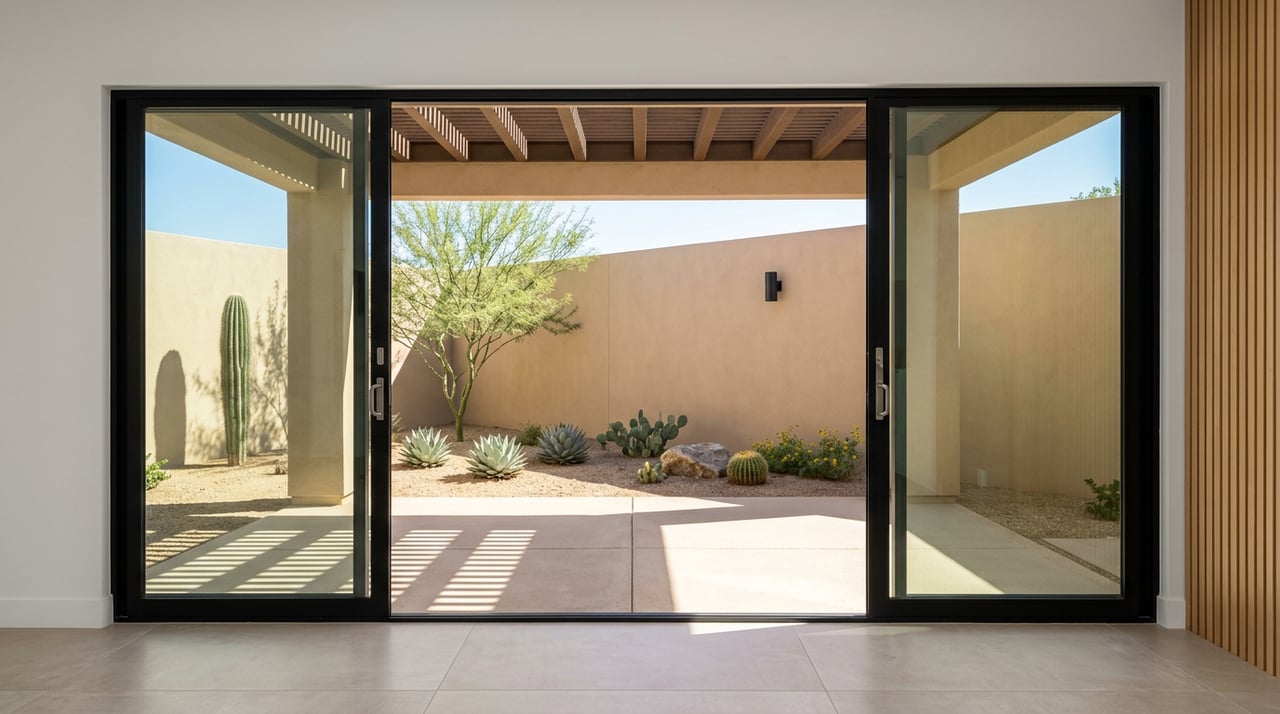
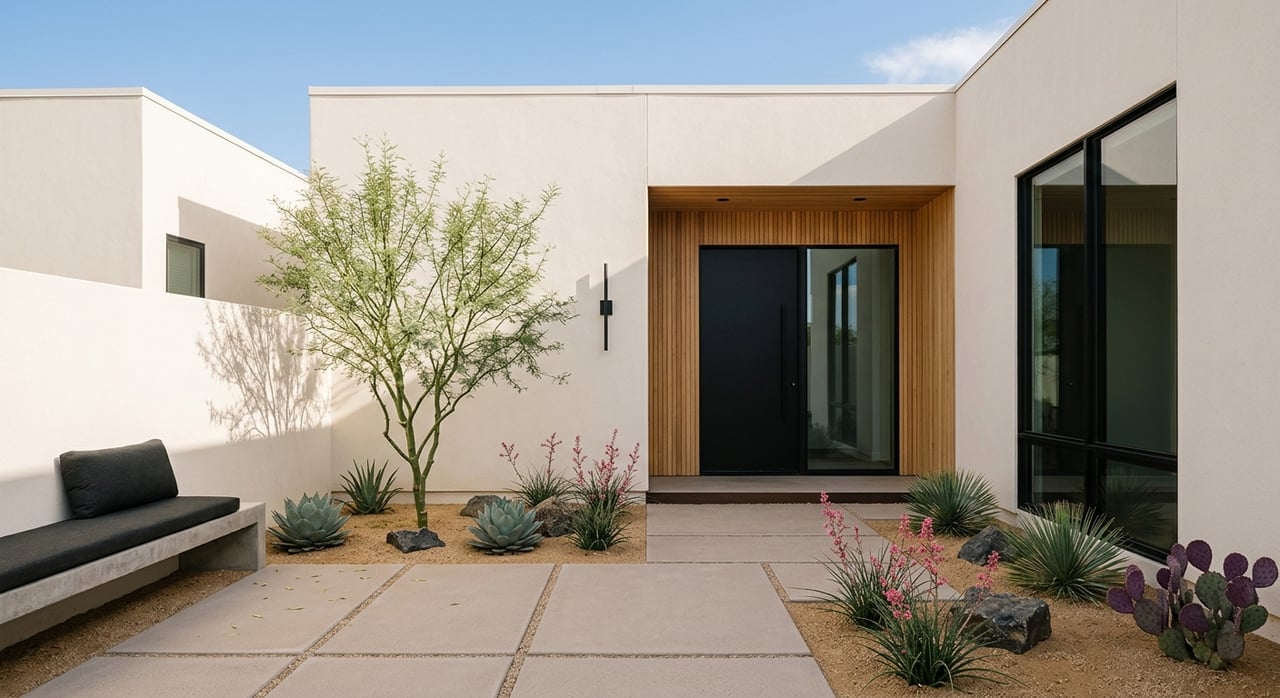
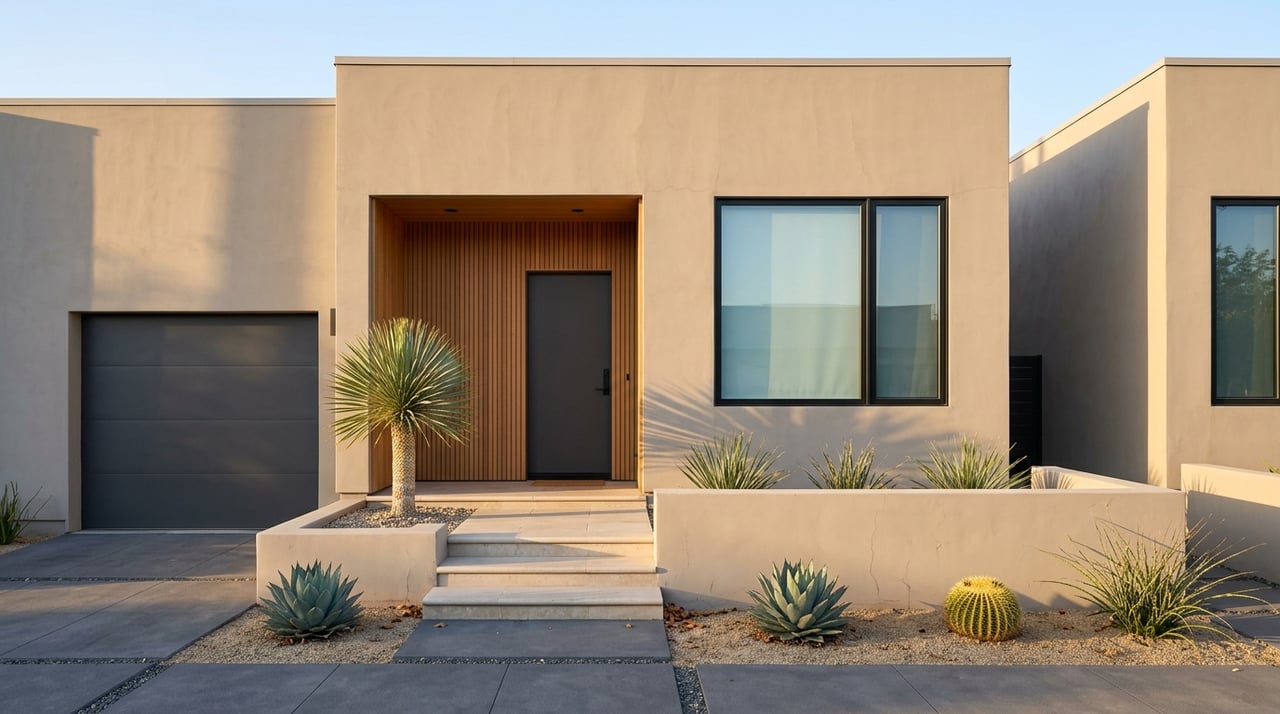
Homes that feel “of the desert” tend to resonate. Buyers often favor Southwestern, Santa Fe, ranch, or desert-contemporary styles with smooth stucco in earth tones, clay tile or metal roofs, and simple geometric forms. Courtyards, deep overhangs, and framed mountain views add to the sense of place. These choices are not just aesthetic, they usually deliver better sun control and outdoor usability.
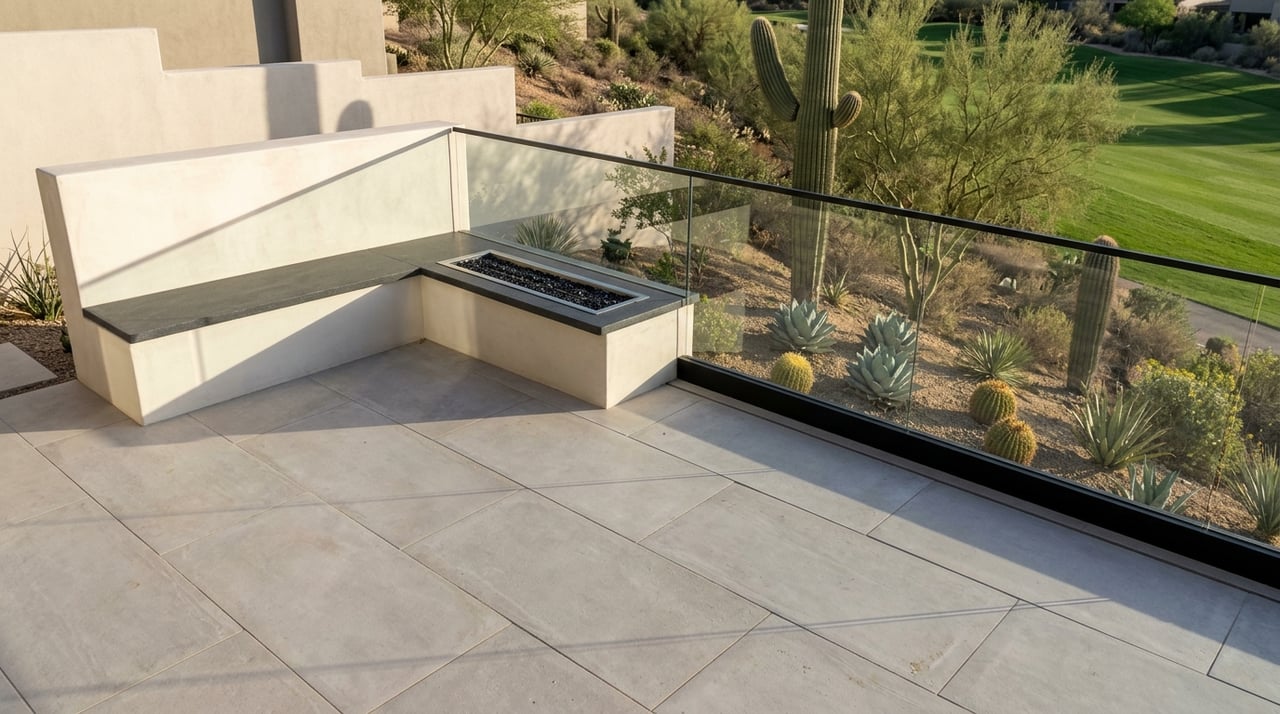
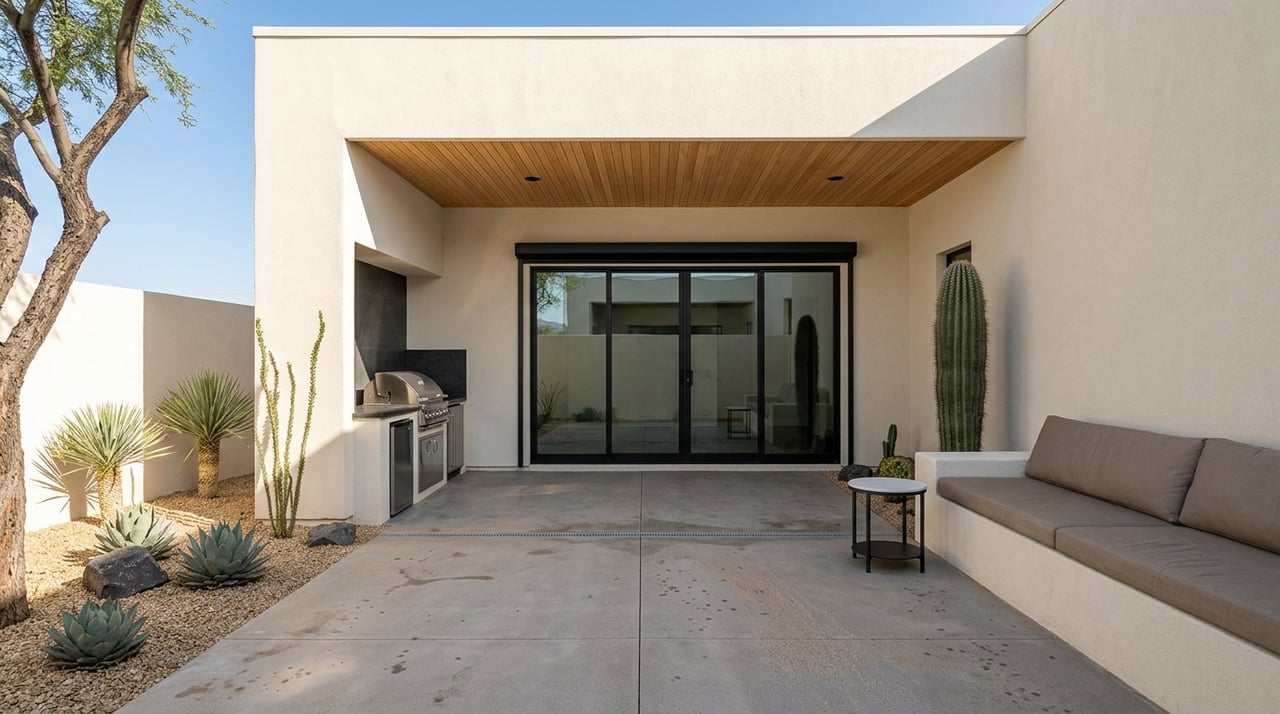
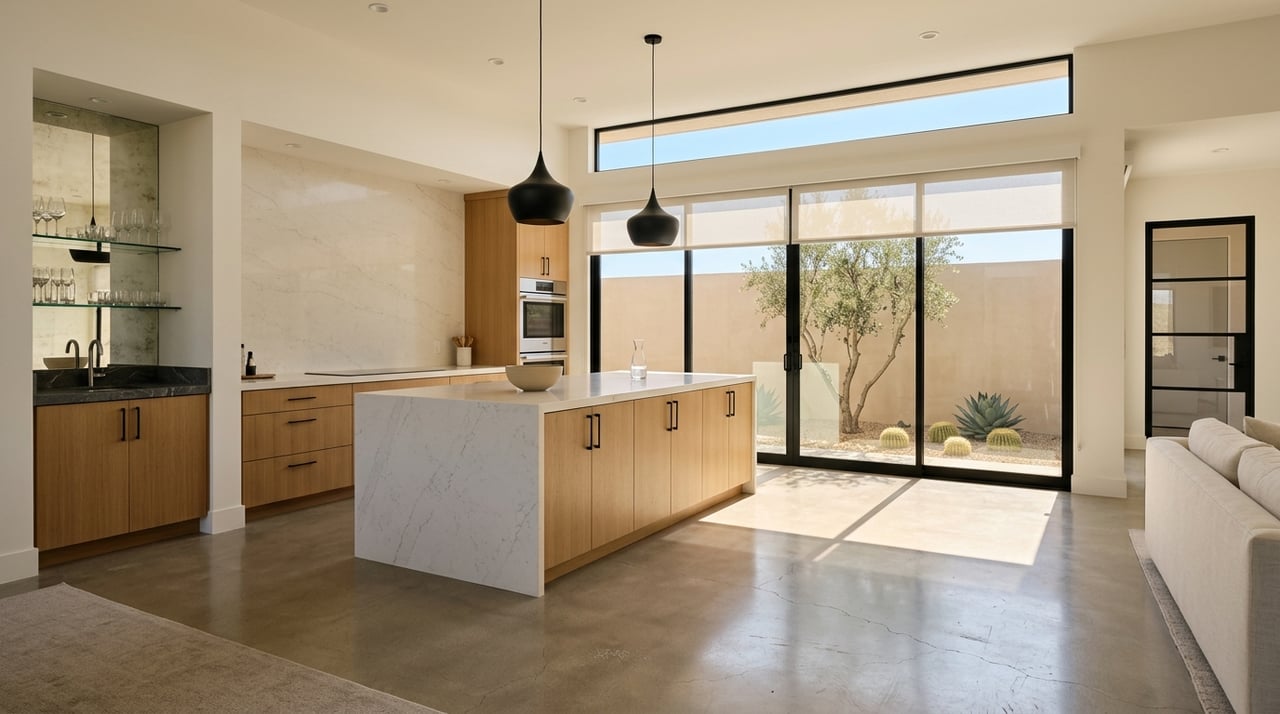
Covered patios, shaded dining, outdoor kitchens, and fire features are high-impact upgrades that show well and live even better. Large sliders or retractable doors that open to a patio can expand your entertaining space for most of the year. Pools designed with a mix of sun and shade feel more usable through the seasons, and thoughtful lighting extends evenings outside. Details like integrated heaters or misting can be smart add-ons.
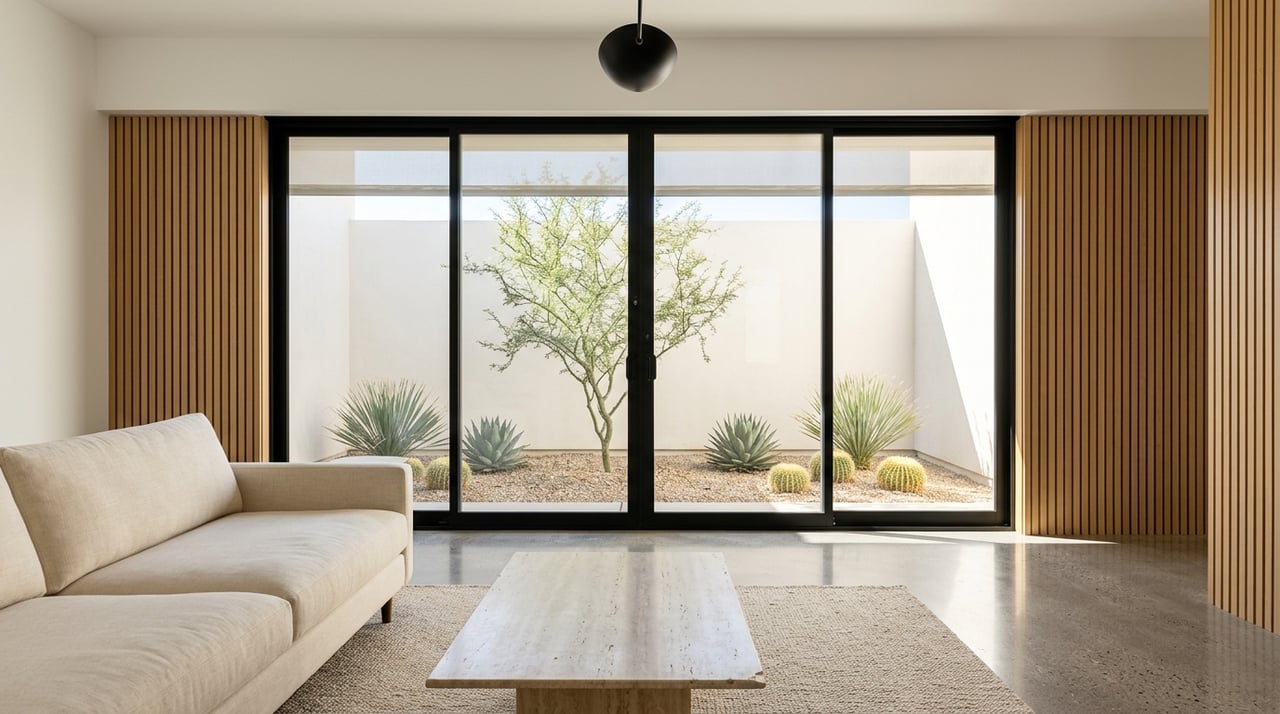
Water-wise landscaping is a standout in Cave Creek. Xeriscape with efficient drip irrigation, smart controllers, and well-placed shade trees can lower ongoing costs while elevating curb appeal. For ideas and plant lists suited to our climate, explore regional resources like Water – Plant It Wisely. Grouping plants by water needs and keeping turf limited and purposeful are common buyer preferences.
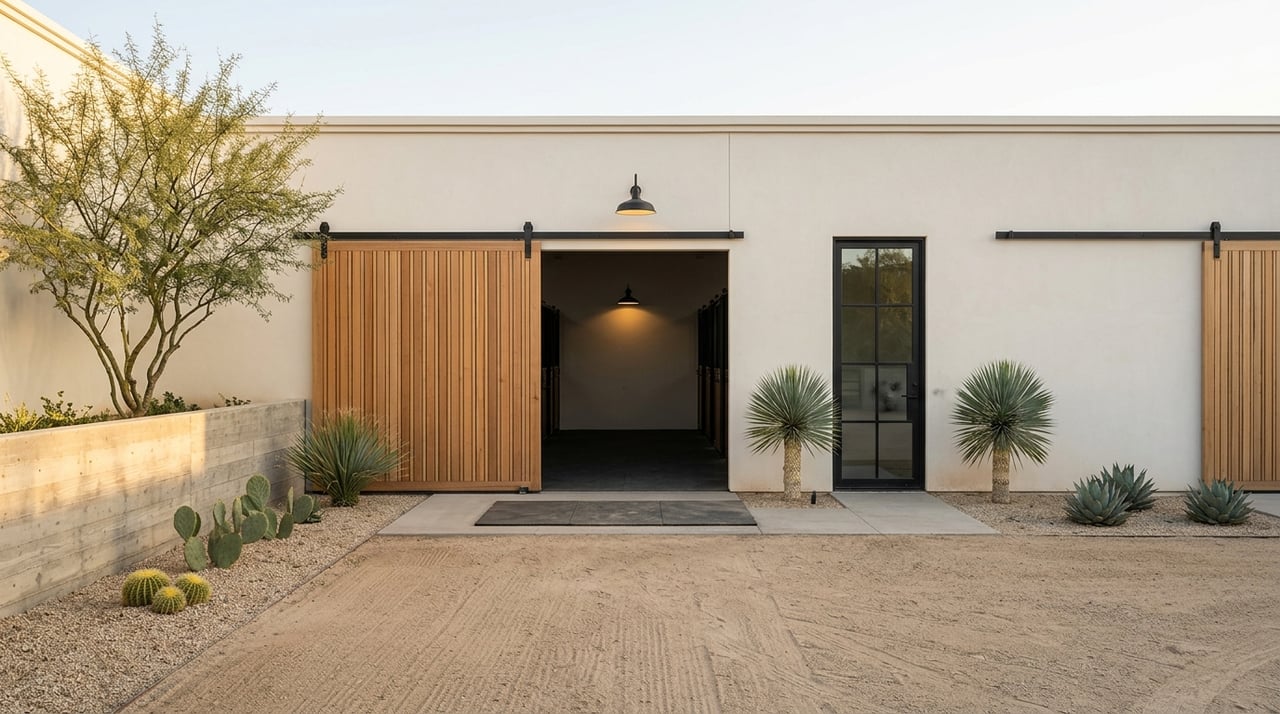
Orientation matters. A patio that captures sunset or mountain vistas can be a daily value-add. Walk the lot to understand slope, natural washes, usable backyard space, privacy from neighboring homes, and room for equestrian amenities or gardens. On larger parcels, check access points and turning room for trailers.
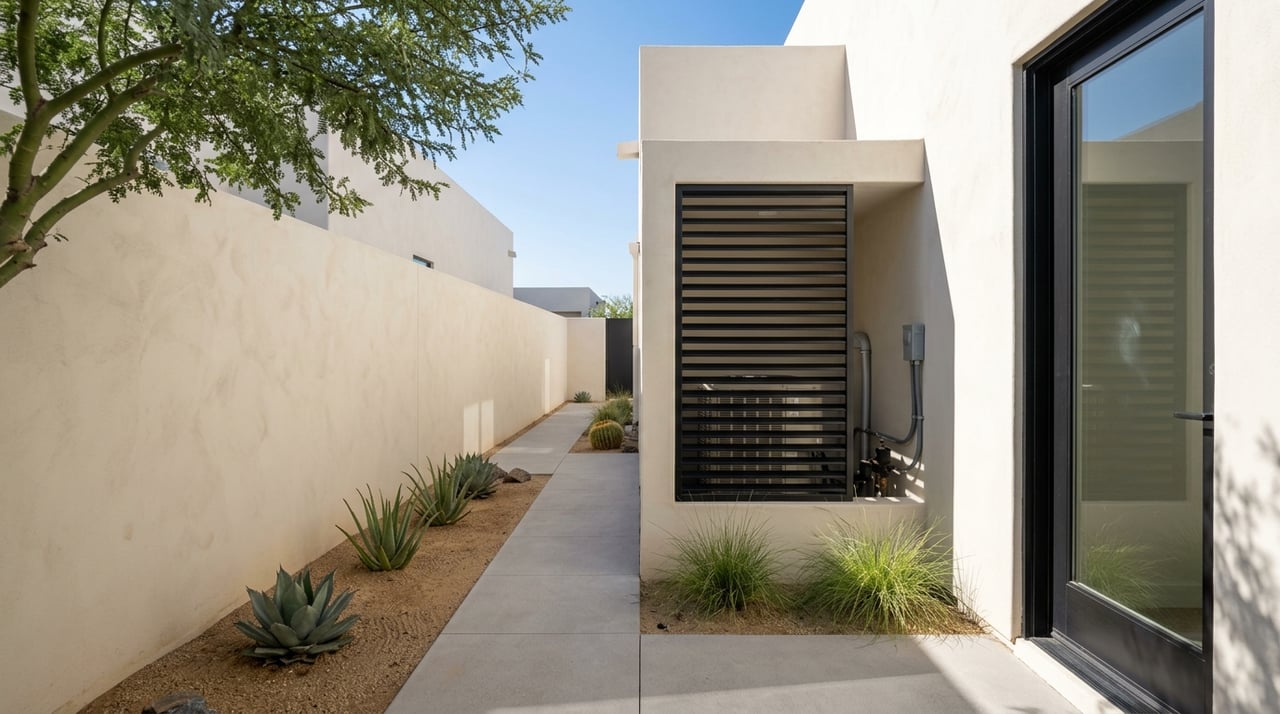
Desert homes run on reliable systems. Buyers look closely at HVAC age and capacity, water heaters, pool equipment, and irrigation. Proactive maintenance and recent service records can signal lower near-term costs, which is why you will often see these items highlighted in quality listings. For context on desert home systems and upgrades, review builder-focused guidance like Peak One Builders’ resources.
Cave Creek’s Desert Rural zoning supports the town’s semi-rural character. If you plan to keep horses, build a barn or arena, or add guest structures, confirm the parcel’s zoning and permitted uses before you fall in love with a property. The Town’s Notice to Prospective Property Owners explains key rights, and the official Zoning Map shows parcel-level designations.
Water sources vary by parcel. Some homes connect to the Town utility, while others may be served by a private company or have a well. Always confirm the provider for the address, then review the latest Consumer Confidence Report or well documentation. The Town’s Cave Creek Water Portal is a good first stop for utility details and conservation guidance.
Monsoon storms can send fast-moving water through natural washes and arroyos. Check FEMA mapping to see if a lot sits in a flood zone, and ask about any past mitigation like berms, channels, or hardened crossings. The FEMA Map Service Center provides parcel-level status that can influence insurance and permitting.
Parcels near open desert or the Tonto National Forest can carry seasonal wildfire considerations. Creating defensible space and following fire advisories is part of responsible ownership near natural areas. For recent local context on wildfires and conditions, review regional coverage from outlets like KJZZ.
Many Cave Creek properties are outside of HOAs, which can appeal to buyers who value flexibility. Gated or golf communities may have CC&Rs that govern exterior finishes, landscaping, fencing, or animal rules. If lifestyle features like RV parking or horse facilities are important to you, request CC&Rs early in your search.
Expect high cooling demand in July and August, which is why HVAC age, tonnage, and service history often appear in seller disclosures. If a system is near end-of-life, plan a budget line for replacement. A mechanical inspection is a smart step on any home in the desert, and buyer agents often recommend it alongside the general inspection. For broader context on desert home systems, see Peak One Builders’ overview.
The official monsoon season runs mid-June through September. Sudden storms can bring dust, strong winds, hail, and localized flooding. Look for solid roof condition, clean gutters, functional drainage, and anchored shade structures. The City of Phoenix provides practical safety and prep tips in its monsoon resources.
Pools are common and a big lifestyle win in Cave Creek. They also add recurring costs for equipment, chemistry, and potential heating. Ask for service records, equipment age, and notes on winter care or storm prep so you can plan your budget with eyes open. A pool with updated equipment often ranks as a value driver for buyers.
Living in the Sonoran Desert means sharing space with native wildlife. During diligence, many buyers request a targeted pest inspection and review prevention measures like door sweeps, sealing, and yard maintenance. Regional medical literature documents the desert’s fauna and best practices, which is why sensible prevention is a common buyer talking point example reference.
Trail access is a signature Cave Creek advantage. The Town’s trails page outlines local paths and connections to larger preserves, where you can hike, ride, or bike across varied Sonoran terrain. Many buyers prioritize neighborhoods that offer quick access to these routes. When a listing highlights “ride out” or nearby trailheads, ask your agent to verify the exact access points.
If Cave Creek’s desert lifestyle is calling, a thoughtful search will help you focus on the homes and lots that truly fit. Our team can coordinate inspections, confirm zoning and water details, and line up trusted vendors so you can move quickly and confidently. For a tailored plan and on-the-ground guidance, connect with Peggy Sala for a friendly consult.
Stay up to date on the latest real estate trends.
With over 30 years of expertise, we can advise and guide you with one of your most valuable assets. Over 80% of our work comes from repeat clients and referrals, proof of our dedication. We bring the perfect blend of seasoned expertise and fresh energy. A great agent helps, but a great team makes all the difference. Contact us for a consultation! We make this easy for you!
14635 N Kierland Blvd Ste 160 Scottsdale AZ 85254