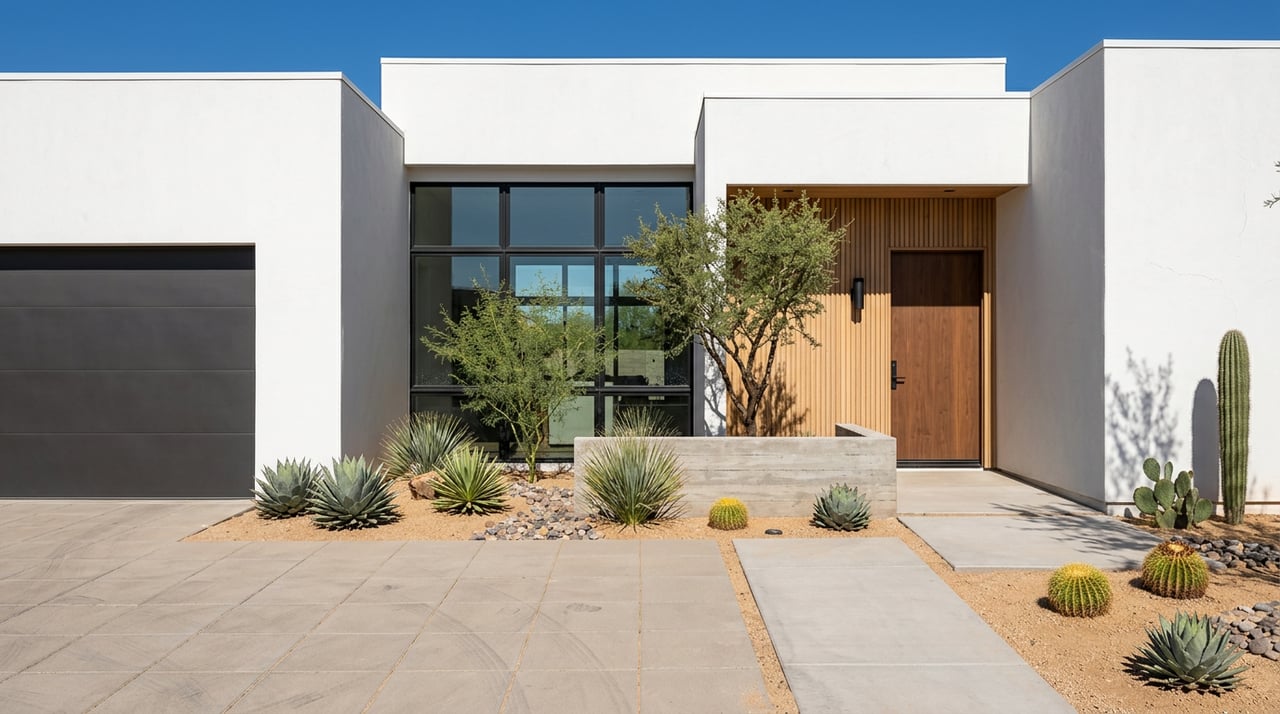
Your Guide to Buying a Second Home in Fountain Hills
March 5, 2026
March 5, 2026
Love the idea of desert sunsets, a quiet patio, and a home you can lock and leave until your next visit? If you are eyeing Fountain Hills for a second home, you are not alone. Many buyers look here for views, golf, and easy access to Scottsdale while keeping a relaxed, small‑town feel. In this guide, you will learn what to buy, how HOAs and short‑term rental rules work, your financing options, and how to purchase confidently from out of state. Let’s dive in.
Fountain Hills sits just east of Scottsdale with striking mountain and fountain views, a lively festival calendar, and quick access to McDowell Mountain recreation. The town attracts winter visitors and vacation‑home owners who want a calm base near the Valley’s dining and golf. You get a scenic setting, strong lock‑and‑leave options, and a pace that feels resort‑adjacent without the bustle.
Condo and townhome communities cluster near golf and wellness hubs, with many designed for part‑time living. These often include exterior maintenance and shared amenities, so your local vendor list stays short. Communities like Balera at FireRock illustrate the setup and include HOA‑managed exteriors and amenities that fit a seasonal lifestyle. You can review how a community organizes its HOA and amenities on the Balera at FireRock HOA site.
You will find hillside custom homes with wide desert panoramas. Sunset‑facing patios, mountain backdrops, and privacy are common draws. Be aware that hilltop microclimates can mean more wind and sun exposure, which may guide your shade structures and landscape choices.
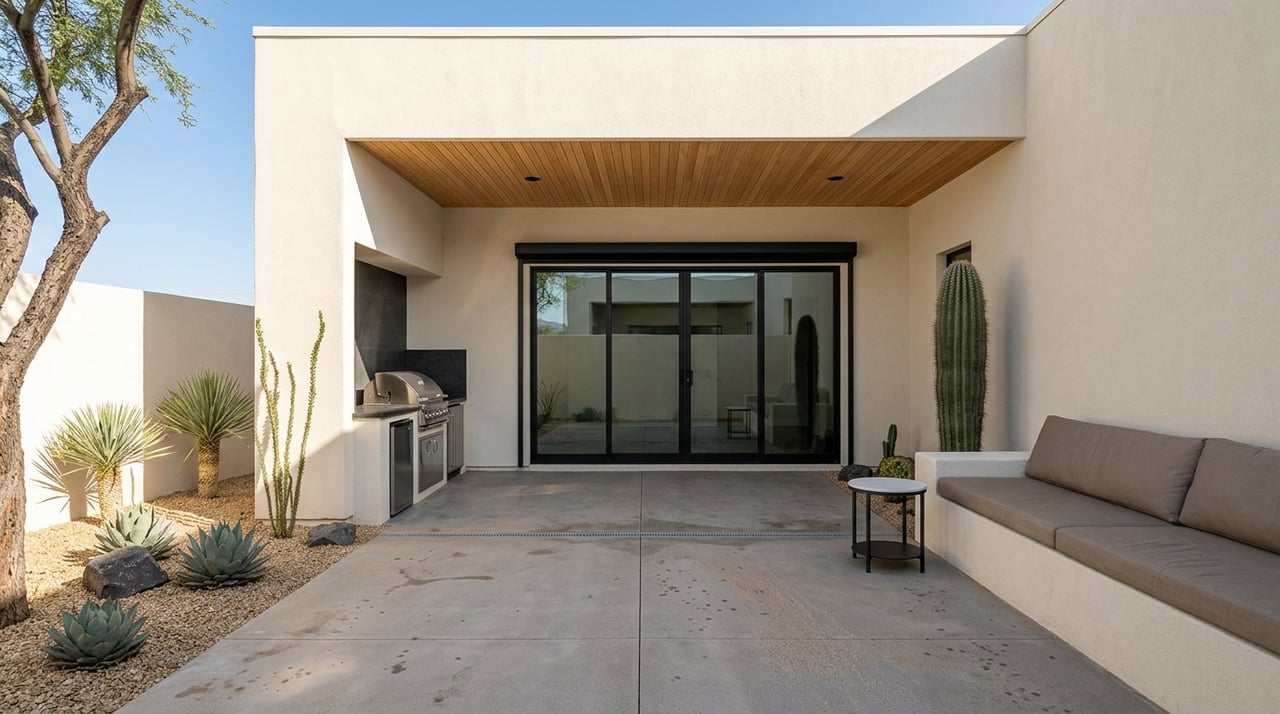
Most buyers want covered patios, BBQ areas, low‑water xeriscape, and often a pool. Plan for routine pool service and seasonal HVAC care if you will be away for months at a time. If you prefer minimal upkeep, a townhome or patio home in a well‑run HOA can reduce hands‑on maintenance.
HOAs in Fountain Hills vary widely in fees and coverage. Condo and townhome associations commonly charge monthly dues in the low‑hundreds that may include roof, exterior, grounds, trash, and amenity upkeep. Gated or estate communities may bill quarterly to maintain private roads and shared spaces. Always verify what is included for a specific property.
During due diligence, request the full HOA packet so you can confirm budget health and any limits on rentals. Ask for: CC&Rs, bylaws, budgets, reserve study, recent meeting minutes, insurance certificate for the association, and written rental rules. These documents help you understand future costs, upcoming projects, and how the community handles part‑time ownership.
If you plan to rent your home for less than 30 days at any point, you must complete the town and tax steps before advertising. The Town of Fountain Hills requires that owners obtain an Arizona Transaction Privilege Tax license, register with Maricopa County, and secure the Town’s annual short‑term rental permit. The town also outlines local lodging tax components and filing requirements. Review the process and current fees on the town’s page for Short‑Term and Vacation Rentals.
Remember that HOA rules can be more restrictive than town rules. Even if the town allows rentals, your HOA may limit or prohibit them through CC&Rs. The town maintains a complaint and enforcement portal, so compliance matters.
Regulators and lenders separate a principal residence from a second residence and an investment property. A property you live in part of the year, but not as your main home, is generally treated as a second residence for underwriting. You can review the federal interpretation of occupancy categories on the CFPB’s guidance.
Conforming second‑home loans can allow loan‑to‑value ratios up to about 90 percent for purchases in strong credit scenarios, which aligns with a possible 10 percent down payment. This depends on lender rules and borrower strength, and many lenders add overlays such as higher credit scores or reserve requirements. See the high‑level LTV framework on Freddie Mac’s guidance.
In practice, plan for 10 to 20 percent down on a second home, with jumbo loans often requiring 20 percent or more. Expect lenders to ask for several months of reserves and to apply tighter debt‑to‑income and credit standards than for a primary residence. Start your pre‑approval early and compare a few lenders, especially if you are out of state.
FHA, USDA, and most VA programs are built for primary residences and include owner‑occupancy requirements. They usually are not a match for a true vacation or lock‑and‑leave property. Review program intent and occupancy notes on HUD’s resource page and confirm with your lender.
Insurers often treat seasonal or vacant homes as higher risk, which can mean higher premiums or special endorsements. Confirm coverage for pools, theft, vacancy, and any seasonal occupancy limits before you bind a policy. Because hazard exposure is site‑specific, check whether a property touches a mapped flood zone using FEMA’s Flood Map Service Center and ask your lender or insurance broker if flood insurance is required or recommended. If your home sits near natural open space, also evaluate wildfire mitigation and local guidance.
For most Fountain Hills addresses, EPCOR handles water, Fountain Hills Sanitary District manages wastewater, Republic Services provides trash and recycling, and Salt River Project supplies electricity. Always confirm providers by parcel while you are under contract. The town’s public records page lists major local service contacts for quick reference. See the Fountain Hills provider list for details.
If you will be away seasonally, line up routine services like pool care, landscape maintenance, HVAC servicing, and a trustworthy home‑watch contact. HOA community pages sometimes share vendor lists, which can be a helpful starting place for vetted pros. You can also look at how communities organize vendor resources on sites like the Balera at FireRock HOA page.
Fountain Hills is a smaller market, so published medians can shift from report to report due to low quarterly sales counts and different data methods. Recent third‑party reports have shown median prices ranging from roughly the high 400s to 800k plus depending on source and property type. For context, review current data snapshots on ATTOM’s Fountain Hills page and PropertyShark’s market trends page. Before you write an offer, ask your agent for the latest MLS data for your price band and property type.
Virtual tours and recorded walk‑throughs are excellent for shortlisting homes from afar. When you write an offer, include inspection and termite contingencies, and plan for an in‑person final check or a trusted local representative if you cannot travel. Many title companies support remote notarization and electronic closings, though you should confirm your exact closing workflow upfront. For a practical overview of remote steps, see this consumer‑facing guide to second‑home purchases and e‑closing trends from AmeriSave.
Our team regularly coordinates secure video tours, vendor access for inspections, quotes for repairs, and a smooth remote closing, so you can move confidently even when you are not in town.
Ready to find the right lock‑and‑leave or view home in Fountain Hills? Reach out to Peggy Sala for a tailored search, on‑the‑ground video tours, and step‑by‑step guidance from offer to closing.
Stay up to date on the latest real estate trends.

With over 30 years of expertise, we can advise and guide you with one of your most valuable assets. Over 80% of our work comes from repeat clients and referrals, proof of our dedication. We bring the perfect blend of seasoned expertise and fresh energy. A great agent helps, but a great team makes all the difference. Contact us for a consultation! We make this easy for you!

14635 N Kierland Blvd Ste 160 Scottsdale AZ 85254