New Construction Vs Resale Homes In Chandler
April 2, 2026
April 2, 2026
Trying to decide between a brand-new home and a resale home in Chandler? You are not alone. It is one of the most common questions buyers ask, especially in a city where land is limited, pricing can vary widely, and the type of inventory available is changing. The good news is that once you understand how Chandler’s market works, the choice becomes much clearer. Let’s dive in.
Chandler is not a wide-open growth market anymore. According to the City of Chandler Existing Conditions Report, the city was 94.22% built out as of July 1, 2025, with only 714 acres of vacant land left without applications or permits.
That matters because new construction in Chandler is often more limited and more location-specific than buyers expect. Instead of large new suburban expansions, future housing is more likely to come from infill projects, redevelopment, or annexation of county islands.
Chandler also has a broad resale market. The city reports that 69.4% of housing units are detached single-family homes and 68.3% of occupied homes are owner-occupied, which means many buyers will find that resale homes make up a large share of their options in established neighborhoods across the city.
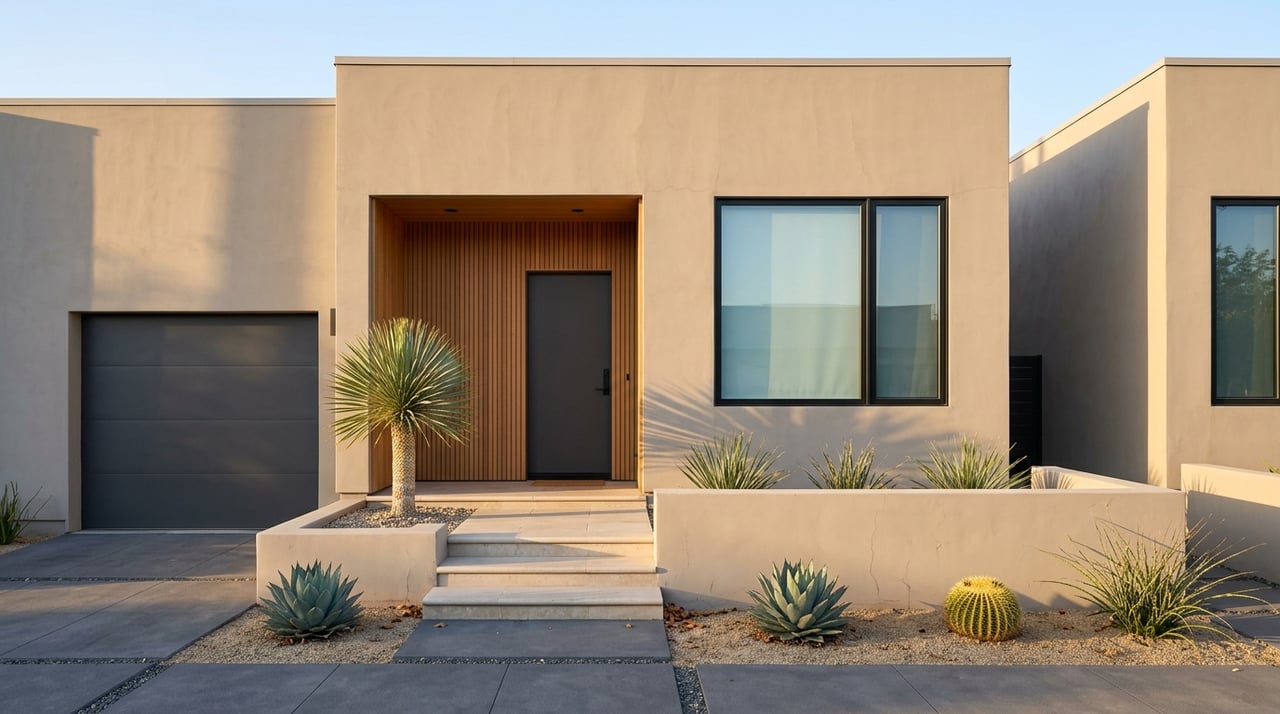
If you are drawn to new construction, the appeal is easy to understand. You may get newer systems, modern layouts, energy-conscious building practices, and the chance to personalize some finishes and features.
Builder materials in the Chandler area often highlight floor plans, design selections, and craftsmanship. At the same time, builder fine print can matter. For example, Tri Pointe Homes’ Arizona materials note that features, options, and even some landscaping or hardscape elements may not be included unless specifically stated.
New homes can be appealing if you want:
In Chandler, though, it is important to remember that not all new construction looks the same. The city’s permitting trends show a stronger tilt toward attached and multifamily housing than detached single-family homes. Over the last two years, Chandler issued 1,556 multifamily permits compared with 375 single-family permits, according to the city’s housing data.
That means if you are specifically looking for a newly built detached home, your options may be more limited than if you are open to a townhome, duplex-style product, or another attached format. The city also points to projects like the planned 73 S. Hamilton St. development, which is expected to add 250 homes in a mix of townhomes, duplexes, and single-family homes.
The biggest surprise for many buyers is the price. Chandler’s housing report says the median price of a new single-family home topped $800,000 in 2024, while new attached units had a median price of $520,000.
That is a meaningful jump from resale pricing. The same report shows a median resale single-family price of $565,000 and a median resale condo or townhome price of $375,000.
The city ties much of that premium to land scarcity and development costs in a near-built-out market. In simple terms, new construction in Chandler often comes at a premium because buildable land is harder to find and more expensive to develop.
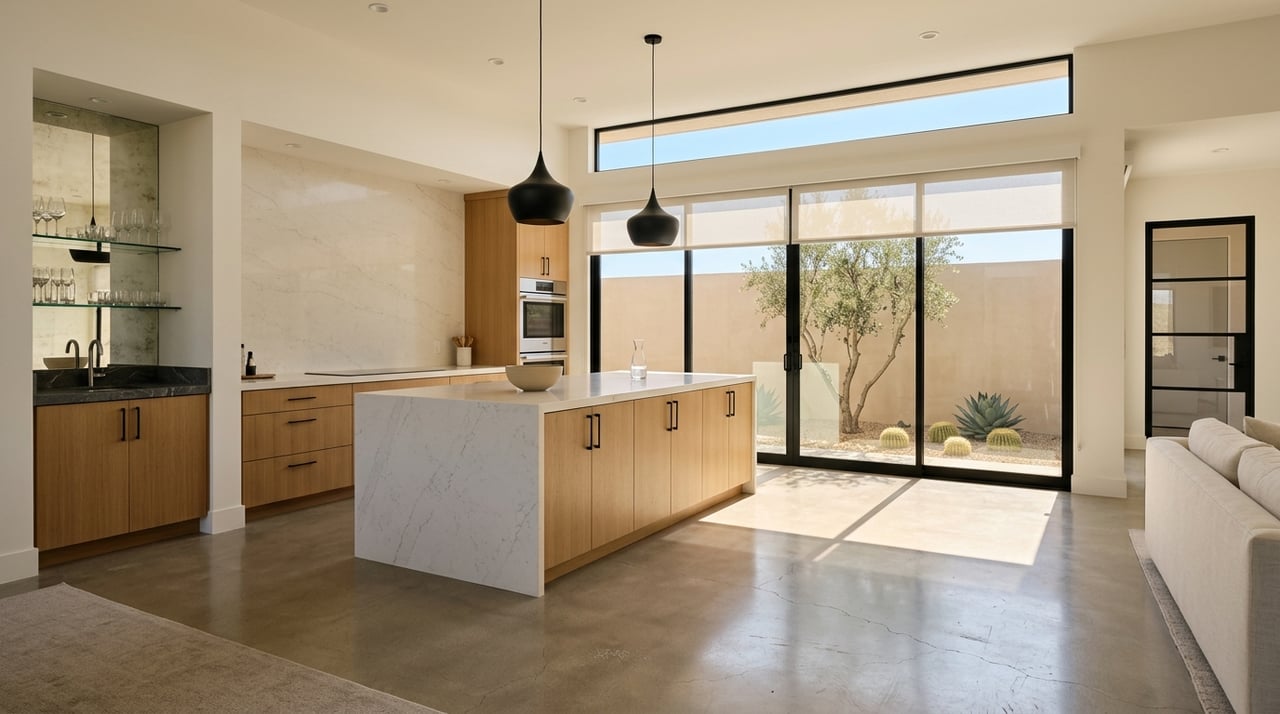
A resale home gives you something new construction cannot always provide in Chandler: a wider range of locations and price points. Because the city already has a large base of established housing, resale inventory often gives you more choices across home styles, lot sizes, and neighborhood settings.
A resale purchase can also offer more clarity up front. You can see the actual home, the current condition, the existing landscaping, and the surrounding streetscape before you make a decision.
Resale homes may be a better fit if you want:
That last point matters. With a resale property, you are evaluating the real home as it stands today, not a model, rendering, or unfinished build.
Resale homes can come with tradeoffs. Depending on the age and upkeep of the property, you may need to budget for repairs, cosmetic changes, or future replacement of major systems.
That does not automatically make resale more expensive in the long run, but it does mean you should compare the total cost of ownership. A lower purchase price can still require updates after closing, so it is smart to evaluate your likely post-close spending before you decide.
Here is a simple look at the pricing difference the city reported:
| Home type | Median new price | Median resale price |
|---|---|---|
| Single-family home | $800,000+ | $565,000 |
| Condo/townhome or attached home | $520,000 | $375,000 |
For many buyers, this table explains the entire decision. If your priority is getting the newest possible home and you have room in your budget, new construction may still be worth the premium. If value, location flexibility, or a lower price point matter more, resale often deserves a very close look.
Your timeline can be one of the biggest decision points between new construction and resale. If you need to move by a certain date, resale usually offers more certainty because the home already exists and the path to closing is often more predictable.
With new construction, delays can happen. The Consumer Financial Protection Bureau notes that if you are buying a home that is not yet built, the builder may ask for an upfront builder deposit.
The CFPB also makes an important point many buyers miss: you are not required to use the builder’s affiliated lender. You can and should compare financing options carefully.
New construction timelines can shift, and rate locks do not last forever. The CFPB explains in its Loan Estimate guidance that a locked rate stays fixed only if you close within the lock period and your application details do not change.
If the construction timeline moves, that can affect your financing costs. For that reason, buyers considering a new build should compare multiple Loan Estimates, ask detailed questions about rate-lock terms and fees, and confirm whether the lender can meet the expected closing window.
Some buyers assume a brand-new home does not need an inspection. That is not the best approach. The CFPB advises buyers to schedule a home inspection as soon as possible and explains that a home inspection is different from an appraisal.
That advice applies whether you buy new construction or resale. An independent inspection can help you identify issues, understand repair needs, and use your inspection contingency to negotiate or cancel if major concerns appear.
For resale homes, inspections help you understand current condition. For new construction, inspections can help catch problems before closing, even when everything looks fresh and finished.
This is where many buyers go wrong. They compare the base price of a new home against the asking price of a resale home and stop there.
A smarter approach is to compare the full monthly payment and total out-of-pocket cost. The CFPB recommends using the Loan Estimate to compare offers, closing costs, and rate-lock details, not just the interest rate.
Whether you are buying new or resale, review:
The CFPB also notes that HOAs often manage shared expenses such as landscaping and maintenance in planned communities. That can be especially relevant in newer neighborhoods or attached-home developments.
In Chandler, there is another local factor to keep in mind. The city’s report notes that system development fees are charged during the building permit process to help fund infrastructure, and it identifies land scarcity as a major reason for rising new-home prices. That does not mean every new home is overpriced. It does mean the premium often reflects real cost pressures in the local market.
There is no one-size-fits-all answer, but there is usually a best fit for your priorities.
Choose new construction if you value modern layouts, newer systems, and the appeal of a never-lived-in home, and you are comfortable with a potentially higher price and a timeline that may shift.
Choose resale if you want more location options, a broader range of price points, and a clearer view of the exact home you are buying today.
In Chandler, that decision is shaped by the city’s near-built-out status. New construction is still available, but it is more constrained, often more expensive, and increasingly tilted toward attached housing. Resale remains the broader and often more budget-flexible option.
If you want help comparing Chandler neighborhoods, weighing new construction against resale, or building a strategy around your budget and timing, Peggy Sala offers thoughtful, high-touch guidance to help you move forward with confidence.
Stay up to date on the latest real estate trends.
With over 30 years of expertise, we can advise and guide you with one of your most valuable assets. Over 80% of our work comes from repeat clients and referrals, proof of our dedication. We bring the perfect blend of seasoned expertise and fresh energy. A great agent helps, but a great team makes all the difference. Contact us for a consultation! We make this easy for you!
14635 N Kierland Blvd Ste 160 Scottsdale AZ 85254