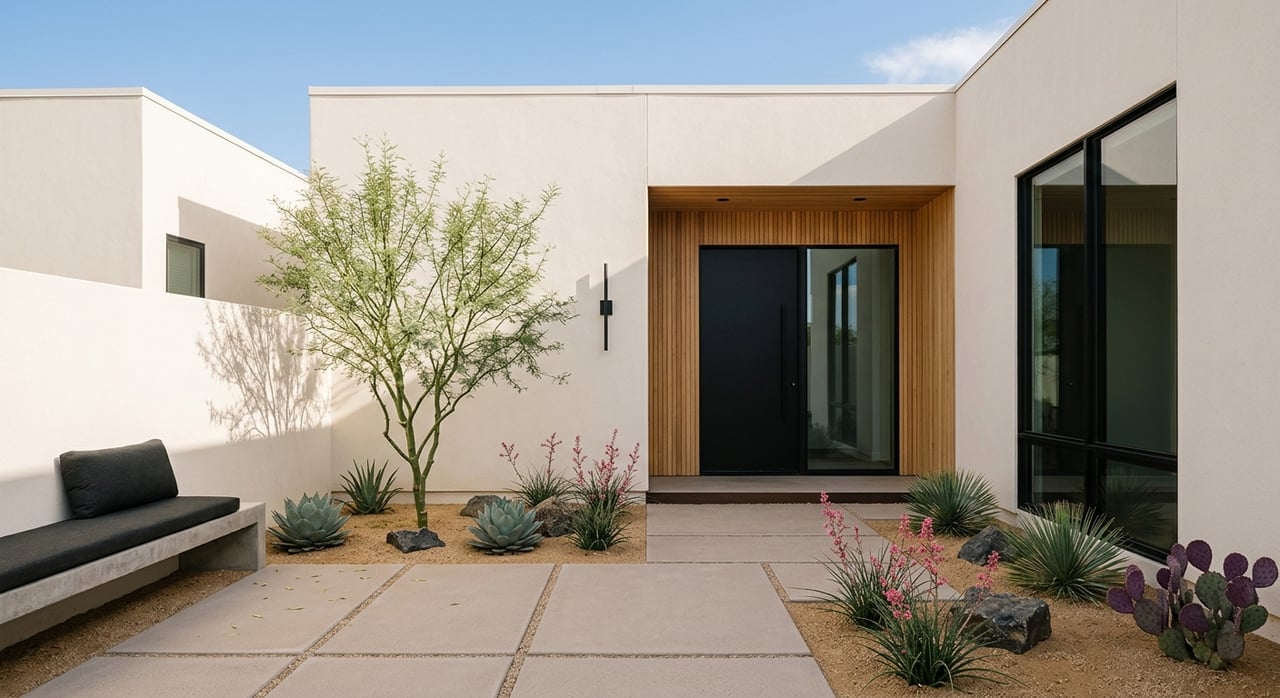
Downsizing To A Mesa Patio Home Or Condo
June 25, 2026
June 25, 2026
Wondering if a Mesa patio home or condo could make life simpler without feeling like a big compromise? If you are thinking about downsizing, you are probably weighing more than square footage. You want less upkeep, predictable monthly costs, and a home that still fits your daily routine and long-term plans. This guide will help you compare patio homes and condos in Mesa so you can make a confident move. Let’s dive in.
Downsizing is often about reducing work, not just reducing space. Many buyers in Mesa look at patio homes and condos because they can offer a more manageable lifestyle with less exterior maintenance.
That can be especially appealing if you are tired of yard work, large unused rooms, or a home that needs constant attention. In many HOA-managed communities, maintenance and landscaping for shared areas are built into your dues, which can simplify ownership.
Mesa also remains an active housing market. In March 2026, Redfin reported a median sale price of $462,000 and about 47 days on market in Mesa. That means layout, condition, and monthly carrying costs still matter when you buy now and when you sell later.
One of the most important things to know is that patio home is not a single legal category. In practice, it is often a marketing term, and the meaning can vary from one Mesa community to another.
Some patio homes are attached by a shared wall, while others are close-set homes with small outdoor areas between properties. They are often smaller homes with limited exterior upkeep, and many are one story or one-and-a-half stories.
For a downsizer, the label matters less than the actual setup. What really counts is how the home is owned, what the HOA maintains, and how the floor plan supports your lifestyle.
In Arizona, a condominium has a specific ownership structure. You own your individual unit, while common elements are owned jointly with other owners in the community.
That often means condo ownership is more interior-focused. The association commonly handles exterior areas and shared spaces, though the exact responsibilities depend on the community documents.
Patio homes can feel more like a detached or semi-attached house, but the responsibilities can still vary widely. In some communities, the HOA may cover landscaping, exterior paint, or roof maintenance. In others, you may be responsible for more than you expect.
When you compare properties, it helps to look past the listing language and focus on the legal structure. In Arizona, planned communities require mandatory membership and assessments for shared maintenance, while condominiums involve separate ownership of units and shared ownership of common elements.
That affects your monthly costs, your maintenance duties, and your rights as an owner. It can also shape how easy the property will be to maintain over time.
If you are downsizing, this is one of the biggest decision points. A home that looks perfect on the surface may not be the best fit if the maintenance split is unclear or the dues do not match what is covered.
When you move from a larger home, the best floor plan is usually the one that makes everyday life easier. For many downsizers, that starts with single-level or low-stair living.
A smaller footprint can be a plus if it is well designed. You may need less square footage, but you still want comfortable living areas, enough storage, and a layout that does not feel cramped.
Outdoor space also matters. Many buyers like the idea of a manageable patio or courtyard instead of a large yard, especially if they still want room to sit outside, garden lightly, or entertain without a major maintenance burden.
Amenities can be part of the appeal, but only if you will actually use them. Some HOA-managed communities include common areas such as pools, clubhouses, and walking paths.
Those features can support a simpler lifestyle because you may enjoy shared amenities without having to maintain them yourself. At the same time, amenities are part of what your dues help fund, so they should be weighed against your budget and priorities.
It is smart to ask whether the amenities improve your routine or simply increase your monthly cost. The right answer will be different for every buyer.
The list price is only part of the picture. In Mesa, total monthly carrying cost may matter just as much as what you pay upfront.
As you compare patio homes and condos, look at the mortgage payment, property taxes, insurance, HOA dues, and any expected maintenance you still handle yourself. A lower purchase price does not always mean a lower monthly cost.
This is especially important in communities with broad HOA coverage. If dues include meaningful maintenance services, they may offset costs you would otherwise pay directly. The key is understanding the full picture before you buy.
HOA dues are not optional extras. Arizona resale documents include an acknowledgment that unpaid assessments can lead to foreclosure, so these dues should be treated as a required part of ownership.
Before you move forward, ask practical questions such as:
These questions can help you avoid surprises and compare communities more accurately.
Arizona law gives buyers important access to association information during a sale. For condos and planned communities, associations must provide key documents within 10 days after written notice of a pending sale.
Those documents can include the declaration, bylaws, current assessment information, operating budget, most recent annual financial report, reserve information, insurance details, notice of alterations that violate the declaration, and pending litigation information. This material can tell you a lot about how the community is run.
Arizona law also limits standard association resale document fees to $400, with up to $100 for rush service and $50 for an update request after 30 days. That does not make the packet less important. It simply helps define the cost of getting the information you need.
For downsizers, predictability is often part of the goal. That is why reserve funds and special assessments deserve close attention.
In many condo communities, reserves or additional funds may be used for major work such as roof replacement. If reserve funding is weak, owners may face future special assessments or rising dues.
A community with healthy reserves, clear rules, and manageable dues can feel easier to own and easier to explain to future buyers. That kind of transparency can support resale because the full cost of ownership is easier to understand.
If this move is meant to simplify your next chapter, accessibility should be part of your search from the start. Falls are the leading cause of injury for adults 65 and older, which is one reason layout and safety features matter so much.
Many buyers prioritize low-stair living, better lighting, and safer bathrooms. Features like grab bars in showers and near toilets, railings on both sides of stairs, and fewer trip hazards can make a home more workable over time.
Not every downsizer needs these changes today. Still, choosing a home that can adapt more easily later may save money and stress in the future.
As you tour Mesa patio homes and condos, keep a short list of comfort and safety features in mind. You do not need a perfect home on day one, but you do want a home that supports your routine.
Look for features such as:
These details may seem small during a showing, but they can make a big difference after move-in.
A downsizing move should work for you now and still make sense later. Even if this is a long-term purchase, resale potential still matters.
In Mesa’s active market, buyers continue to pay attention to condition, layout, and carrying costs. A home in a well-run community with understandable dues and a practical floor plan may be easier to market when the time comes.
That is one reason thoughtful selection matters so much. The goal is not just to buy less space. It is to buy a home that is easier to live in, easier to manage, and easier to sell when needed.
The best downsizing choice depends on how you want to live day to day. Some buyers prefer a condo because the ownership is more interior-focused and exterior maintenance is often handled for them.
Others prefer a patio home because it may offer a bit more privacy, a small yard or courtyard, and a more house-like feel. Neither option is automatically better. It comes down to the layout, the community rules, the maintenance split, and the full monthly cost.
If you are comparing options in Mesa, a careful review of the HOA documents and property setup can make the difference between a smart move and an expensive surprise. That is where experienced guidance can help you sort through the details with less stress.
If you are planning a move and want thoughtful, hands-on guidance, Peggy Sala can help you compare Mesa patio homes and condos, understand the tradeoffs, and make a downsizing plan that fits your next chapter.
Stay up to date on the latest real estate trends.

With over 30 years of expertise, we can advise and guide you with one of your most valuable assets. Over 80% of our work comes from repeat clients and referrals, proof of our dedication. We bring the perfect blend of seasoned expertise and fresh energy. A great agent helps, but a great team makes all the difference. Contact us for a consultation! We make this easy for you!

14635 N Kierland Blvd Ste 160 Scottsdale AZ 85254