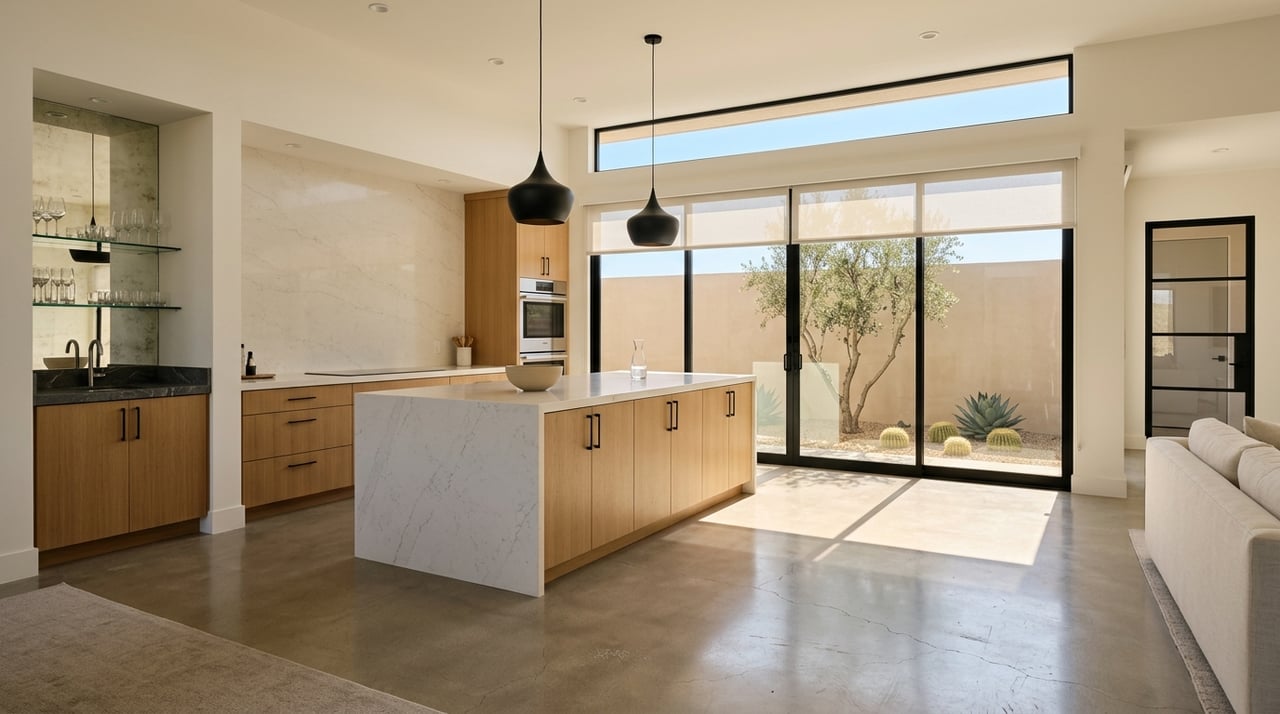
Selling A Seasonal Home In Rio Verde: A Practical Plan
May 28, 2026
May 28, 2026
If you own a seasonal home in Rio Verde, selling it can feel simple in theory and complicated in real life. You may be juggling the sale from another state, deciding what to do with furniture, and trying to time everything around travel, weather, and community paperwork. The good news is that with the right plan, you can make the process far more organized, efficient, and less stressful. Let’s walk through a practical approach.
Rio Verde is often seen as an active-adult, golf-centered retreat about 10 miles east of north Scottsdale and roughly 45 minutes from Phoenix Sky Harbor. That matters because many likely buyers are not just local full-time residents. They may be second-home buyers, seasonal residents, or people looking for a low-maintenance, turnkey property.
Because of that, your sale strategy should match how buyers are likely to experience the home. A seasonal property in Rio Verde often shows best when it feels clean, simplified, neutral, and easy to step into without a long to-do list. That is especially important if buyers are comparing your home to other lock-and-leave options.
Timing matters in any market, but it matters even more with a seasonal home. In the Phoenix area, average highs are far more comfortable in winter and early spring than in summer. NOAA monthly normals show average highs of 66.2°F in December, 67.6°F in January, and 70.8°F in February, compared with 104.2°F in June, 106.5°F in July, and 105.1°F in August.
That temperature gap has real-world consequences for your sale. Showings, landscaping touch-ups, move-out work, and repair appointments are generally easier to manage in the cooler late-fall-through-spring window. If you have flexibility, that season can make prep and launch smoother for both you and potential buyers.
When you are selling from afar, small gaps in communication can turn into delays. The easiest way to stay ahead of that is to create one clear checklist before any photos, repairs, or staging begin.
Your checklist should cover what is staying, what is going, who is handling local access, and how work will be verified. It should also give everyone one place to track deadlines, photos, and vendor progress.
Before you list, make these decisions early:
Removing uncertainty early helps you avoid confusion later. It also makes your marketing more accurate and your contract details easier to document.
A remote sale runs better when you keep a clear record of the home and its contents. For any item that may stay with the property, create a room-by-room inventory and photograph it for reference.
This can include furniture, artwork, patio pieces, appliances, and other personal property you may plan to convey. Clear records help reduce misunderstandings and make it easier to confirm in writing what stays with the home and what does not.
One of the biggest questions with a seasonal home is whether it should be sold furnished, partially furnished, or empty. There is no single right answer, but in Rio Verde, buyer expectations often lean toward convenience and ease.
If your home has well-scaled, neutral furnishings that fit the space, a furnished or partially furnished sale may support the turnkey appeal many seasonal buyers want. If the furnishings are highly personal, dated, or do not match the home well, removing some or all of them may create a cleaner impression.
Ask yourself these questions:
If you do sell with furnishings, clarity matters. Put in writing which items are included and which are excluded, and make sure that same information is reflected consistently throughout the listing and contract process.
A seasonal home often has a shorter prep window because owners are balancing travel schedules and vendor access. That is why it helps to think like a project manager from the beginning.
Start by putting recurring services on autopilot. Cleaning, landscaping, HVAC checks, pest control, irrigation monitoring, mail handling, and trash service should all be set up and documented while the home is active on the market.
When you are not local, photos become part of your decision-making process. Ask for before-and-after photos for repair work, maintenance items, and any touch-ups that affect condition or presentation.
It is also smart to schedule one final walkthrough video before the photography date or launch. That gives you a chance to catch small issues before buyers see the home online.
Arizona sellers are required to disclose known material facts, and the standard resale process uses the Seller’s Property Disclosure Statement, or SPDS, to document those disclosures. Buyers are also directed by the Arizona Department of Real Estate to read the SPDS and contract carefully and to pay close attention to inspection deadlines.
For you as a seller, the practical lesson is simple: gather records before the home goes live. Waiting until you are under contract can create unnecessary pressure.
Pull together any documents related to:
Even if a seasonal home has been lightly used, buyers may still ask detailed questions. Good records help you answer clearly and support a smoother escrow process.
If your Rio Verde property is in a planned community, Arizona law requires a resale disclosure package with association rules and key financial information. The statute also caps the usual resale disclosure fee at an aggregate of $400, with limited rush and update fees.
The important takeaway is not just cost. It is timing. If you wait too long to order association documents, the paperwork can hold up escrow even if the house itself is fully ready.
Rio Verde’s official community information says all owners receive an automatic social membership, while resident full-golf members receive course access. Because amenities can play a meaningful role in buyer interest, your listing should clearly explain what is included with the property and what is not.
That does not mean overcomplicating the description. It means making sure buyers understand whether they are purchasing the home with the standard owner social membership access or some other club-related arrangement, if applicable.
Seasonal properties attract buyers who often want simplicity. A home that feels easy to own is easier to imagine buying.
That is why presentation should focus on space, light, condition, and livability. Neutral decor, tidy surfaces, and a clean outdoor setup can help buyers focus on the property itself instead of your personal routines or storage needs.
If the home will be vacant during the listing period, make sure these details are handled:
These are small details, but they matter. A vacant home that is unmanaged can quickly feel forgotten, while a well-maintained vacant home still feels cared for.
If you will not be in Arizona for closing, you may still be able to sign remotely. Arizona Secretary of State rules allow commissioned Arizona notaries to perform remote online notarizations when the notary has written authorization and follows the state’s communication-technology rules.
For out-of-state seasonal sellers, that can be a major convenience. It allows you to keep the transaction moving without needing to travel back just to finalize documents.
Closing is not the end of the to-do list. A seasonal owner often has a few extra details to wrap up after the sale is complete.
Maricopa County Recorder states that the Affidavit of Property Value records the selling price and sale date when deeds are recorded, unless an exemption code applies. Maricopa County Assessor also says mailing address updates for property taxes should be filed through the Assessor, and that missing a tax bill does not remove interest penalties.
Before and after closing, make sure your checklist includes:
This final step helps you avoid loose ends after the sale and makes the transition cleaner.
If you want to keep the process manageable, focus on sequence. First, decide on timing, furnishings, and who is managing local access. Next, get the home photo-ready, gather records, and request association documents early.
Then launch with a clear presentation that reflects how Rio Verde buyers often shop for seasonal homes: convenience, low-maintenance living, and a move-in-ready feel. Finally, prepare for remote signing and a complete post-closing handoff so the transaction does not become more complicated than it needs to be.
Selling a seasonal home is not just about putting a property on the market. It is about creating a plan that works even when you are not in town. If you want experienced, hands-on support with staging, vendor coordination, marketing, and remote sale logistics, Peggy Sala can help you move from checklist to closing with confidence.
Stay up to date on the latest real estate trends.

With over 30 years of expertise, we can advise and guide you with one of your most valuable assets. Over 80% of our work comes from repeat clients and referrals, proof of our dedication. We bring the perfect blend of seasoned expertise and fresh energy. A great agent helps, but a great team makes all the difference. Contact us for a consultation! We make this easy for you!

14635 N Kierland Blvd Ste 160 Scottsdale AZ 85254