Out-Of-State Buyer’s Guide To Phoenix Homeownership Costs
July 9, 2026
July 9, 2026
Thinking about moving to Phoenix? The mortgage is only part of the picture. If you are buying from out of state, your monthly ownership costs can look very different here because Phoenix is a desert market where summer cooling, utility rate plans, water use, HOA dues, and parcel-specific taxes can all shape your real budget. This guide will help you understand the main costs to plan for, the questions to ask before you make an offer, and where a careful property review can save you surprises later. Let’s dive in.
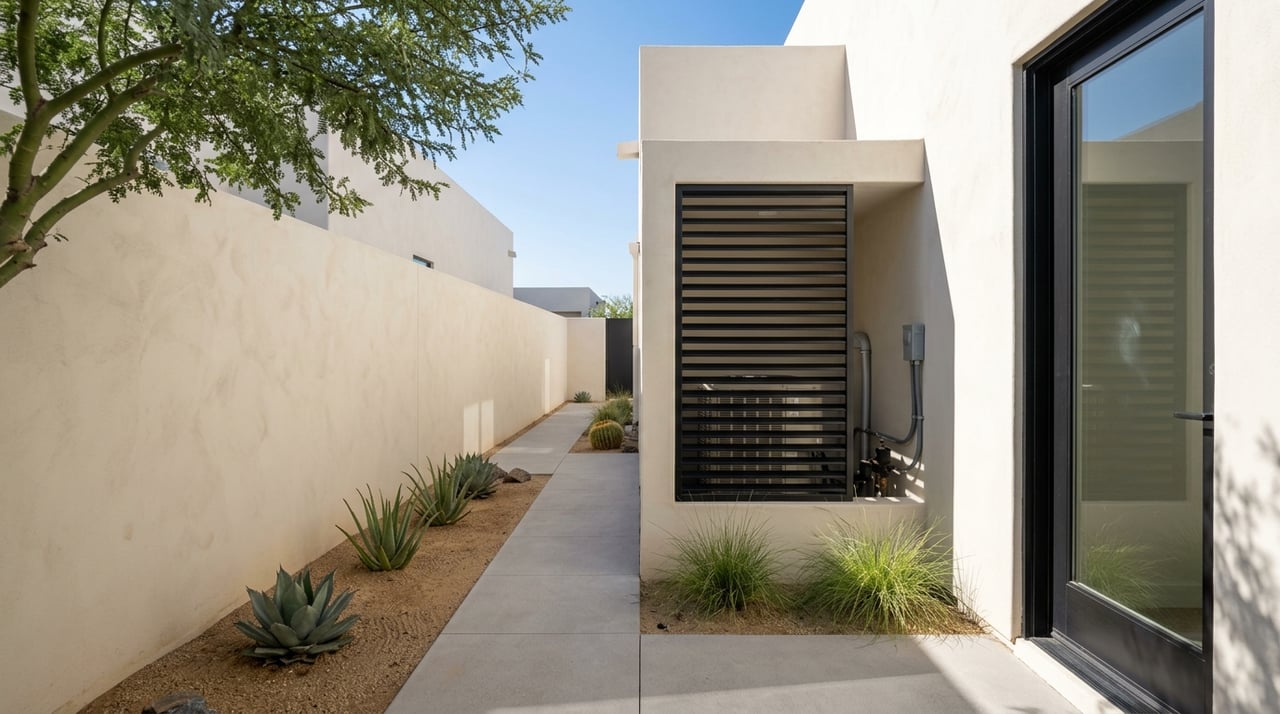
Phoenix homeownership costs are shaped by climate and local utility structure in ways many relocating buyers do not expect. Water use matters more here than in many cooler markets, and so does how and when you use electricity.
The City of Phoenix also notes that about half of the water used in a typical residential home goes to outdoor landscaping or swimming pools. That means two homes with similar square footage can carry very different monthly costs if one has turf, irrigation, or a pool and the other does not.
As a broad benchmark, Phoenix Census QuickFacts shows median selected monthly owner costs of $1,847 for owners with a mortgage and $559 for owners without one. That is useful for context, but it is not a substitute for reviewing a specific property’s utilities, HOA dues, and tax bill.
If the home is in a Phoenix city service area, you should expect recurring monthly charges for water, sewer, and solid waste. These are not one-time closing costs. They become part of your regular ownership budget.
Phoenix water rates include three parts: a fixed monthly service charge, usage-based volume charges, and environmental charges. The fixed water allowance built into the service charge is five units from October through May and eight units from June through September, and the fixed charge varies by meter size and whether the property is inside or outside city limits.
Sewer charges work differently than many buyers expect. Phoenix bases sewer charges on a percentage of the average water usage from January through March, which means winter indoor water use plays a big role in what you pay for sewer service later.
For a typical single-family home with a 5/8-inch meter, Phoenix’s 2026 utility comparison model shows a monthly water bill of $66.65 and a sewer bill of $26.65, for a combined water and wastewater total of $93.30. The city says this comparison excludes taxes and surcharges, so treat it as a planning estimate rather than a property-specific quote.
Solid waste is another line item to budget for. Beginning July 1, 2026, eligible residential trash-and-recycling service in Phoenix is $42.32 per month.
If green organics collection is included, that adds $10.58 per month. All three containers together total $52.90 per month, or $47.90 with the SAY R&R smaller-bin option.
In Maricopa County, electric service depends on the property’s location. The home may be served by APS or SRP, and that matters because each provider has different pricing structures and peak-hour rules.
This is one of the most important budget items for out-of-state buyers. In Phoenix, the utility company and the rate plan can change your monthly carrying cost even if the house itself seems like a fit.
APS offers several residential options, including a fixed-energy plan, a Time-of-Use 4pm-7pm Weekdays plan, and a Time-of-Use 4pm-7pm Weekdays plan with a demand charge. APS states that time-of-use plans reward shifting activities like laundry, dishwasher cycles, and pool-pump use outside on-peak weekday hours.
SRP also offers multiple residential plans with seasonal pricing. Its compare tools show clear differences between summer on-peak and off-peak pricing, and some plans include winter super off-peak hours. In practical terms, two buyers in similar homes can see very different bills based on timing and plan selection.
Because Phoenix summers are long and hot, cooling costs deserve special attention. A home with older systems, heavy afternoon sun exposure, or a pool pump running during peak hours may cost more to operate than a buyer expects.
That is why it is smart to ask not just who serves the address, but also which rate plan the seller uses and how the household typically uses electricity. This is especially helpful if you are comparing homes from a distance through virtual tours.
Many relocating buyers focus on principal, interest, taxes, and insurance, then treat HOA fees as a minor add-on. In Phoenix, that can be a mistake.
HOA dues can vary widely by property type, community structure, and amenity level. They may help cover landscaping, maintenance, shared amenities, neighborhood upkeep, and reserve contributions for future repairs or unexpected costs.
Before you make an offer, ask for a clear breakdown of all required dues. Some homes have one HOA, while others may have multiple layers of fees.
You should also ask:
These details matter because a home with an appealing list price may still carry higher monthly costs than expected once HOA obligations are fully understood.
Phoenix is not just a warm-weather market. It is a desert market, and that changes maintenance costs.
The city emphasizes water conservation, and local climate patterns include monsoon and dust conditions that can affect exterior upkeep. For homeowners, that often means budgeting for HVAC tune-ups, filter changes, irrigation repairs, drip-system maintenance, pool service, and more frequent dust-related cleaning.
Outdoor water use is one of the biggest Phoenix-specific cost variables. The city says about 50% of water used in a typical residential home goes to outdoor landscaping or swimming pools.
That makes a pool, mature landscaping, large turf area, or complex irrigation system more than a lifestyle feature. It is also a budget factor. If you are considering a home with those features, ask for past water bills and find out whether the property has a second water meter, private irrigation, or HOA-maintained landscaping.
Property taxes in Maricopa County are not a single flat city charge. The Treasurer sends bills that can include taxes for the county, cities, school districts, special taxing districts, and the state, based on assessed values and calculated rates.
The Assessor determines the values used in those calculations, so tax burden can vary meaningfully from one parcel to another. Even homes that seem similar on the surface may not carry the same tax bill.
For that reason, it is worth reviewing the specific parcel tax information early in your due diligence. This is especially important if you are relocating and do not yet have a feel for how local taxing districts can affect ownership costs.
When you are buying from out of state, the best way to avoid surprises is to review the full monthly carrying cost, not just the mortgage payment. A simple checklist can make that much easier.
Ask these questions before you make an offer:
If you are relocating to Phoenix, your goal is not just to find a home you love. It is to understand what that home will cost you to own month after month in real local conditions.
A condo with higher HOA dues may still be easier to budget for than a single-family home with a pool, irrigation system, and heavier summer utility use. On the other hand, a detached home with desert landscaping and efficient utility habits may be more manageable than its features first suggest. The key is reviewing the real numbers address by address.
For out-of-state and second-home buyers, that kind of review can be especially valuable when you are making decisions quickly or relying on virtual tours. A careful breakdown of utilities, dues, and taxes helps you compare homes more accurately and move forward with confidence.
If you are planning a move to Phoenix and want experienced local guidance on the full cost picture, Peggy Sala offers concierge support for relocating buyers, including virtual buying guidance and a high-touch approach that helps you evaluate the details with clarity.
Stay up to date on the latest real estate trends.

With over 30 years of expertise, we can advise and guide you with one of your most valuable assets. Over 80% of our work comes from repeat clients and referrals, proof of our dedication. We bring the perfect blend of seasoned expertise and fresh energy. A great agent helps, but a great team makes all the difference. Contact us for a consultation! We make this easy for you!

14635 N Kierland Blvd Ste 160 Scottsdale AZ 85254